
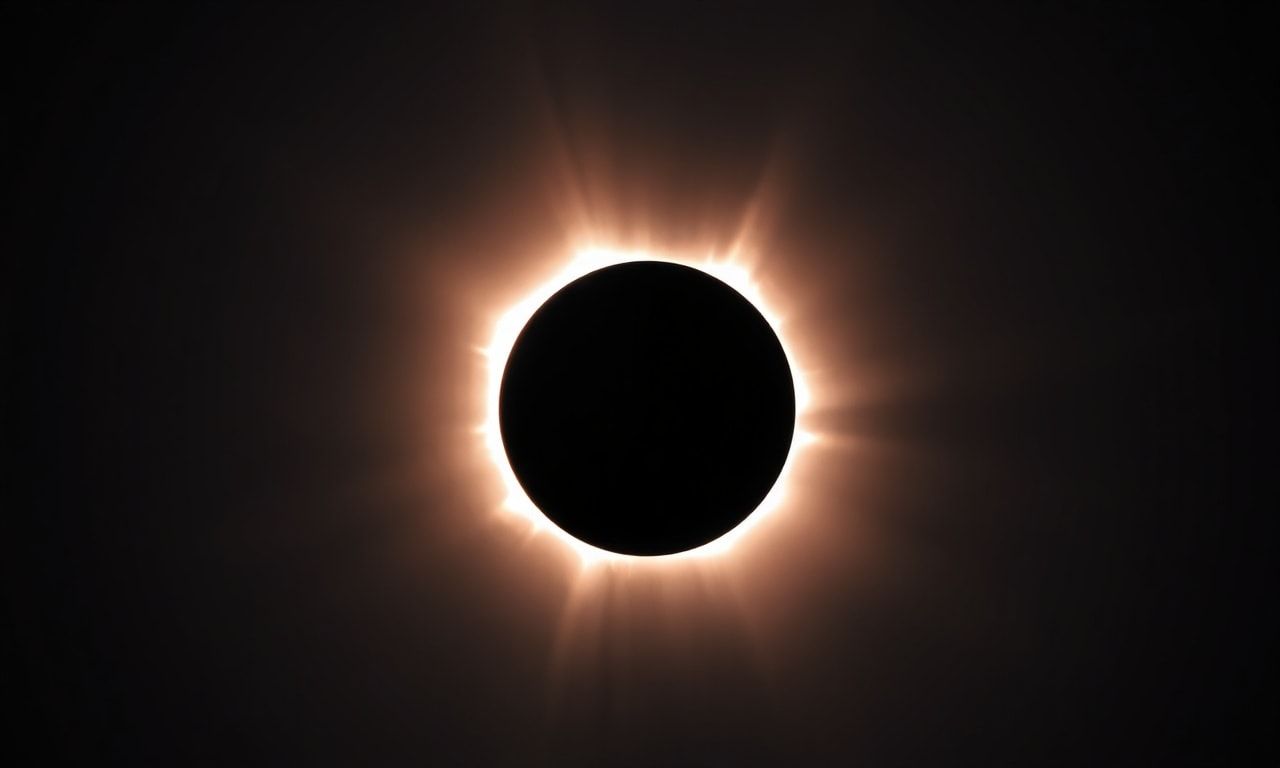
The Great American Eclipse of 2024
The world witnessed a breathtaking celestial event on April 8, 2024, as a total solar eclipse swept across North America. This rare phenomenon, often referred to as the ‘Great American Eclipse,’ captivated millions of spectators who gathered to observe the awe-inspiring display. The path of totality, where the moon completely obscured the sun, stretched from Mexico’s Pacific coast to the eastern seaboard of the United States and into Canada’s Maritime provinces.
The Science Behind the Spectacle
A solar eclipse occurs when the moon passes between the Earth and the sun, casting a shadow on the Earth’s surface. During a total solar eclipse, the moon’s umbra, or innermost shadow, creates a narrow path where the sun is completely blocked. This event provided a unique opportunity for scientists to study the sun’s corona, the outermost part of its atmosphere, which is usually obscured by the sun’s bright light.
Preparations and Safety Measures
In anticipation of the eclipse, communities along the path of totality prepared extensively. Local authorities, schools, and organizations distributed safety guidelines to ensure viewers could enjoy the event without risking eye damage. Special eclipse glasses, which filter out harmful ultraviolet and infrared radiation, were in high demand. Despite these precautions, there were reports of increased traffic and temporary disruptions in services, as thousands of visitors flocked to prime viewing locations.
For those unable to witness the eclipse in person, numerous live streams and broadcasts were available, providing real-time coverage and expert commentary. These broadcasts not only educated viewers about the science behind the eclipse but also highlighted the cultural and historical significance of such celestial events.
Cultural and Historical Significance
Solar eclipses have long been a source of fascination and reverence in various cultures. Ancient civilizations often interpreted eclipses as omens or divine messages. In modern times, eclipses continue to inspire awe and curiosity, bringing people together in a shared experience of wonder. The 2024 eclipse was no exception, as communities celebrated with festivals, educational programs, and artistic expressions.
One notable aspect of the 2024 eclipse was its impact on local economies. Cities and towns along the path of totality experienced a surge in tourism, with hotels, restaurants, and retail businesses benefiting from the influx of visitors. However, the sudden increase in population also posed challenges, including traffic congestion and strain on local resources. Authorities worked diligently to manage these issues, ensuring a smooth and enjoyable experience for all.
Crime Report Update and Community Response
As with any large-scale event, concerns about safety and security were paramount. Law enforcement agencies across the affected regions heightened their presence to maintain order and prevent any potential incidents. According to a crime report update, there were minimal reports of criminal activity, and most communities reported a peaceful and orderly atmosphere. The collective effort of local authorities, volunteers, and community members played a crucial role in ensuring the safety of all attendees.
The Future of Eclipse Chasing
The 2024 solar eclipse has reignited interest in eclipse chasing, a hobby that involves traveling to different parts of the world to witness these rare events. Enthusiasts and scientists alike are already looking ahead to the next major eclipse, which will occur on August 12, 2026, and will be visible in parts of the Arctic, Europe, and Asia. The anticipation and planning for these events highlight the enduring fascination with celestial phenomena and the human desire to connect with the cosmos.
Conclusion
The Great American Eclipse of 2024 was a momentous event that brought together people from all walks of life to witness the beauty and mystery of the cosmos. It served as a reminder of the interconnectedness of humanity and the enduring allure of the natural world. As we look to the future, the lessons learned from this eclipse will undoubtedly inform our approach to future celestial events, ensuring that they remain safe, accessible, and inspiring for generations to come.
As celestial events continue to intersect with global affairs, our latest report eclipse captivates worldwide attention offers a comprehensive look at the recent solar phenomenon and its impact on international discourse.
To understand the complexities of international relations, consider exploring Taiwan’s evolving geopolitical significance and its impact on global dynamics.
As the nation reflects on the recent celestial spectacle, delve into the discussions sparked by the solar eclipse in our latest feature, scientific and policy implications.