
Best ways to promote your business online for lasting impact
A practical, reader-focused guide on promoting your business online. Clear steps, proven options, and news-minded tips for sustained visibility in the USA.

Promoting your business online doesn’t require flashy hacks. Start with clear goals, accurate audience targeting, and measurable steps you can repeat. This guide lays out practical methods that fit real newsroom readers’ needs: reliability, clarity, and results you can verify.
From the basics to concrete options, expect instructions you can implement today. You’ll learn what to test, where to focus, and how to avoid common missteps that waste time and money. The aim is steady visibility that supports journalism-driven audiences and community impact.
Each part emphasizes the why behind the tactic, so you can decide what fits your mission. You’ll see examples of how businesses gain traction with simple, repeatable actions. The structure mirrors a newsroom workflow: plan, test, report results, adjust, and repeat.
- Identify audience and set a measurable goal. Build content that is accurate, actionable, and trusted. Choose 2–3 aligned channels and maintain consistent posting. Avoid vanity metrics and keep a clear focus on outcomes.
- Test one channel at a time, then scale what works. Use owned assets as the backbone and supplement with relevant third‑party venues. Regularly audit results and adapt.
- Be mindful of costs and ethics; ensure data use complies with laws and reader expectations. Establish guardrails to prevent over‑promising and misrepresentation. Continuous improvement depends on honest measurement.
- This guide provides practical steps from basics to advanced choices, with checks to avoid common pitfalls and a plan to sustain visible, credible promotion.
Basics of online presence
Audience and goals
Identify who you are trying to reach and what you want them to do. Start with a simple goal you can measure, like inquiries or signups. This helps you pick channels that match reader needs and business aims. promote your business in the USA
- Know your audience before you publish
- Set one measurable goal per channel
- Test and adjust with small changes
Draft a basic customer profile: demographics, interests, and pain points. Use this to guide content topics, timing, and where you publish.
- Define a clear objective
- Map content to audience needs
- Choose one primary channel
- Set a simple metric to track
How to reach readers with quality content

Content that informs and earns trust
Publish verified information with clear sourcing and balanced phrasing. News readers expect accuracy, concise summaries, and practical takeaways. Build trust by avoiding hype and presenting context. A useful resource on this topic: latest education news.
Offer how-to guidance tied to real-world examples. Include steps readers can replicate, plus caveats for common mistakes. This approach converts casual readers into informed followers.
- Use simple headlines
- Cite sources visibly
- Provide actionable steps
- Offer verifiable examples
Options for online promotion
Owned channels and third‑party venues
Use your own website and email list as core assets. They stay under your control and let you tell your story consistently. Complement with third‑party venues where readers already spend time. A useful resource on this topic: add an event to the USA events calendar.
- ☐ Audit your current online presence
- ☐ Define your publishing cadence
- ☐ Set a minimal content calendar
- ☐ Monitor engagement metrics
Prioritize platforms that align with your audience, not every emerging channel. Consistency across channels beats sporadic bursts of activity.
- Build a simple site hub
- Grow a permission-based email list
- Choose 2–3 compatible platforms
- Maintain regular posting cadence
| Method | Pros | Cons |
|---|---|---|
| Owned channels | Control and continuity | Requires ongoing effort |
| Third-party venues | Broad reach | Less control over placement |
| Paid ads | Fast visibility | Costs can escalate |
| Content partnerships | Credible reach | Requires coordination |
Ignore vanity metrics; focus on actions that move readers toward your objective, like email signups or inquiries.
Pitfalls to avoid

Common missteps and warnings
Overreliance on paid ads without clear goals wastes budget. Equally risky is chasing every new platform without evidence it reaches your audience. Stay grounded with proven formats and honest results. A useful resource on this topic: USA classified ads.
Ignore vanity metrics; focus on actions that move readers toward your objective, like email signups or inquiries. Regularly audit your channels for alignment with goals.
- Avoid scattershot spending
- Guard against over‑automation
- Track meaningful metrics
- Review channel relevance
Measuring results that matter
Define clear KPIs for impact
Start with outcomes that matter to the business: leads, conversions, or qualified traffic. Tie each metric to a concrete goal so you can track progress over time. Use simple dashboards that show trend lines and current status. This clarity helps justify budget and effort to stakeholders. funeral notices in the USA
- Choose 2-4 core metrics
- Distinguish output from outcome
- Set realistic targets
- Review weekly, adjust monthly
- Document baselines for comparison
Interpreting data without bias
Data should inform, not persuade. Cross-check findings with qualitative signals like user feedback or newsroom reader notes. Look for correlations, not coincidences, to avoid chasing false positives. Document assumptions so others can replicate the reasoning.
- Seek multiple data sources
- Question outliers and anomalies
- Check timing and context
- Keep interpretations grounded in evidence
Budgeting for sustained promotion
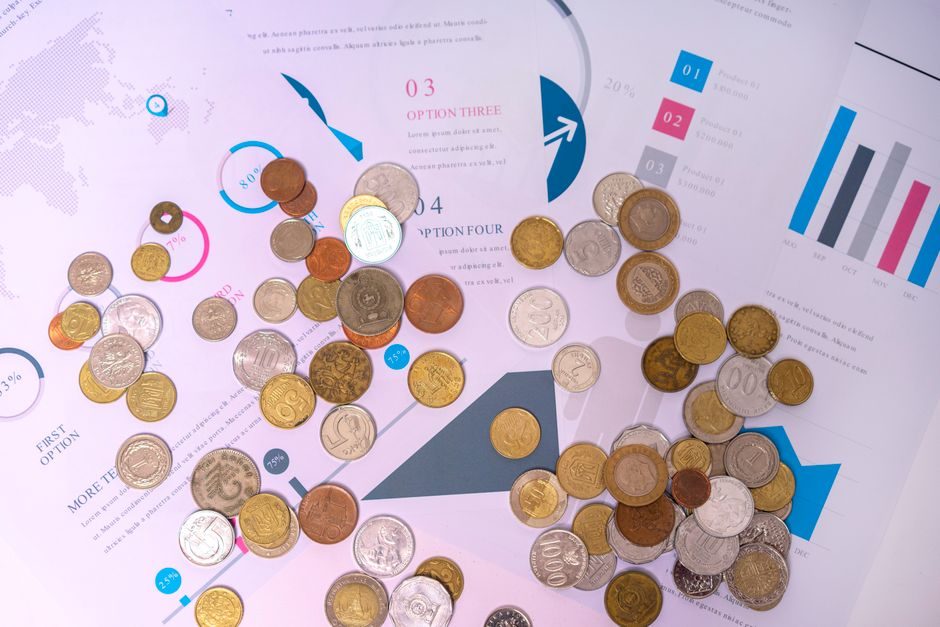
Allocating a steady promotion budget
Plan a recurring budget that supports ongoing visibility rather than spikes for one-off campaigns. Prioritize channels with stable performance and clear reader engagement. Use a mix of paid, owned, and earned media to spread risk and build trust over time.
- Define a fixed monthly promotions budget
- List core channels with expected contribution
- Note any seasonality considerations
- Set an annual baseline
- Reserve a contingency fund
- Diversify channels
- Review quarterly for reallocation
- Document ROI conversations
Managing costs without sacrificing reach
Negotiate longer-term ad placements for lower rates and better placement quality. Leverage content partnerships and repurpose strong newsroom stories to extend reach. Track cost per result and reallocate from underperforming efforts to higher-performing ones.
- Negotiate久-term deals
- Use content repurposing
- Monitor cost per action
- Rebalance monthly
- Avoid tunnel vision on a single channel
Ethical and legal considerations
Respecting privacy and data rules
Publishers have an obligation to protect reader data. Use consent-based tracking and minimize data collection to what is necessary. Clearly explain how data improves reader experience and promotions.
- Explain data use plainly
- Limit data retention
- Provide access to personal data upon request
- Obtain consent for cookies and tracking
- Avoid sensitive data collection
- Provide easy opt-out options
- Maintain transparent data practices
- Audit data handling regularly
Truthful advertising and disclosure
Promotions should be clearly labeled so readers can distinguish ads from editorial content. Do not exaggerate outcomes or misrepresent claims. Maintain editorial independence while presenting sponsored opportunities.
- Label sponsored content
- Avoid misleading claims
- Separate editorial from ads
- Disclose compensation where relevant
- Respect reader trust
Future-proofing your online reach

Adapting to changing reader habits
Reader attention shifts with platforms and formats. Test short-form video, audio summaries, and text-heavy explainers to meet diverse preferences. Monitor which formats gain sustained engagement and allocate accordingly.
- Experiment with formats
- Track retention and completion rates
- Prioritize clear calls to action
- Maintain accessibility across devices
- Review at regular intervals
Investing in long-term reader relationships
Sustainable promotion focuses on trust, not constant blasts. Build newsletters, member programs, and reader circles that reward loyalty. Consistent, high-quality content strengthens recognition and advocacy.
- Develop a reader value proposition
- Offer exclusive access or benefits
- Keep a regular publishing cadence
- Monitor churn and feedback
- Nurture community engagement
Frequently asked questions
What is the best way to measure online promotion impact for a newsroom?Track reader engagement alongside conversions to a clear goal, such as subscriptions or newsletter signups. Use a simple dashboard that shows trends over time and reveals the relationship between promotions and reader actions. Always document assumptions and review results with the team.
How can a small outlet start online promotions without big budgets?Begin with what already exists: publish strong reporting, build a newsletter, and share content through owned channels. Use low-cost testing of formats, like short posts or audio summaries, and reallocate funds as results prove value. Focus on consistency and reader trust.
What ethical considerations matter most?Label sponsored content clearly, protect reader privacy, and ensure claims are accurate. Maintain editorial independence and disclose any compensation involved. Provide readers with straightforward explanations of how promotions support reporting.
How do you future-proof online reach?Diversify formats to meet changing reader preferences and invest in long-term relationships through newsletters and community programs. Regularly test formats, measure retention, and adjust investments based on durable engagement, not novelty.
Conclusion and next steps
A clear online promotion plan rests on measurable impact, responsible budgeting, and ethical practices. Start by defining two core goals tied to reader value and build a simple reporting framework around them. The plan should be easy for teammates to follow and evolve with reader feedback.
This approach creates a durable online presence where promotions support trusted coverage, not attention-grabbing tricks. Take the next step by drafting a basic policy on labeling, consent, and reader communication, then launch a small pilot to test assumptions and floor results for the newsroom.
Add Climate as a preferred source on Google


