
Blog Book World News: a clear buyer’s guide for readers
A practical buyer’s guide for readers of ctenews.com evaluating Blog Book World latest news and related services, with concrete comparisons and tips.

Readers of ctenews.com want practical, real-world guidance when they encounter new media resources. This guide compares Blog Book World latest news relevance, credibility, and accessibility to help you decide what to trust and how to use it for reporting. You’ll get clear steps, concrete examples, and practical checks you can apply today.
The article starts with basic questions: what the resource offers, how it fits in current events coverage, and what readers should verify before relying on its updates. We separate account features from editorial quality, and we point to concrete signs of reliability. The goal is a factual, useful reference for newsroom readers.
Across sections, you’ll find a plain, steady approach: what to look for, practical comparisons, and a recommended workflow for checking breaking news from this resource. Expect concrete examples, stepwise guidance, and caution where necessary to avoid misinformation.
- Assess credibility signals such as sourcing and corrections when using Blog Book World latest news.
- Incorporate quick two-source checks for breaking updates to avoid early missteps.
- Balance speed with depth by pairing initial posts with official documents or additional reporting.
- Use the prepared workflows to fit this resource into your newsroom routine without overreliance.
Basics of the resource
What it covers today
This sub-section explains the scope of Blog Book World latest news and how it fits into a newsroom workflow. It clarifies whether the service emphasizes summaries, original reporting, or aggregation. You’ll learn what type of updates to expect during a breaking event and what to verify afterward.
- Relying on a single post for a major story; instead wait for corroboration from multiple sources.
- Ignoring publication timestamps; instead check for later updates that refine initial claims.
- Assuming headlines fully capture context; instead read the full post and related pieces.
A practical example shows how a breaking story might appear: a concise initial post, followed by a corrected update and a longer follow-up piece. This helps you judge timeliness versus accuracy. The goal is to set expectations before you rely on the resource.
Credibility signals
This paragraph outlines markers of credibility for the resource, such as transparent sourcing, clear update histories, and consistent authoring. It advises readers to note corrections and retractions as part of quality assessment.
A concrete example describes scanning bylines and cross-checking with known outlets on the same topic. The reader learns to weigh the strength of evidence presented before sharing or reporting on a story.
How it fits into news work

Workflow integration
This subsection covers how to slot Blog Book World latest news into a routine: initial screening, quick verification, and using the resource as a lead or corroboration. It explains when to publish, when to suspend, and how to annotate sources in a report. A useful resource on this topic: post your event in the USA.
A practical example demonstrates a three-step check: read the latest post, confirm with a second source, then draft a balanced paragraph for a live update. The emphasis is on fast, reliable decisions during fast-moving events.
Editorial fit
This part discusses editorial fit: how the resource supports backgrounding, context, and trend spotting without replacing primary reporting. It helps editors decide when to reference the resource and when to treat it as supplementary.
An example shows using it to flag a developing trend, then following up with direct interviews or documents. Readers learn how to balance speed and depth in coverage.
Options for use
Free vs premium access
This sub-section compares access levels, noting what basic users get versus paid members. It explains how subscription limits, export options, and alert features affect day-to-day newsroom work. In planning growth, consider how to submit your business in the USA to gain local exposure.
A concrete scenario describes a desk deciding whether the premium plan provides enough value for rapid updates and deeper digging. The reader learns to align cost with practical needs rather than hype.
- Free users get timely updates with basic search.
- Premium access may include exportable feeds and faster alerts.
- Decide based on how often you need archived material.
| Feature | Free plan | Premium plan |
|---|---|---|
| Update speed | Moderate | Faster alerts |
| Export options | Limited | Full exports and feeds |
| Archival access | Short term | Extended archive access |
Best practices for use
This paragraph offers practical routines, such as bookmarking reliable posts, correlating with official sources, and tracking correction histories. It stresses disciplined usage to avoid echo effects.
A concrete workflow example shows a desk assigning two reporters to verify a major claim, then summarizing the outcome for the desk. The aim is a repeatable, transparent process.
A practical example shows checking a post against multiple outlets and looking for direct sources.
Pitfalls to avoid
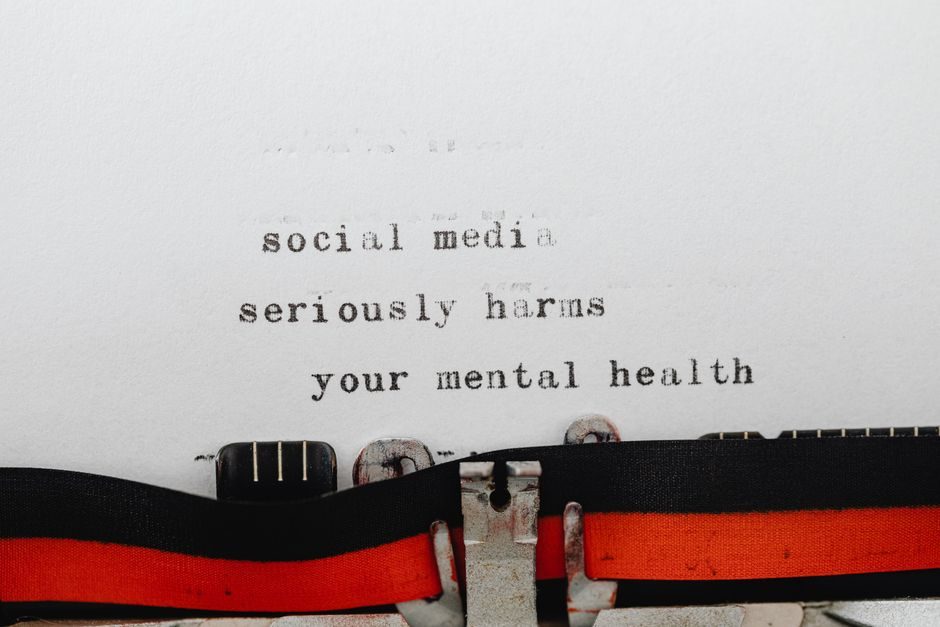
Misinformation traps
This subsection warns about common misinformation patterns and how to spot them, such as out-of-context quotes or unverifiable numbers. It guides readers to look for corroboration and official documents. For recruiting needs, post a job ad in the USA to reach qualified candidates.
A practical example shows checking a post against multiple outlets and looking for direct sources. The goal is to reduce initial mistakes and improve accuracy over time.
Editorial bias cues
This part helps readers identify potential bias in framing or emphasis while evaluating the resource. It teaches to read for what is stated and what is implied, noting any selective emphasis.
A concrete instance describes comparing the post with other outlets to see what angles are emphasized or omitted. The reader learns to seek a balanced view before sharing.
How to verify breaking stories
Source triangulation and credibility
Verified reporting starts with cross-checking independent sources. Compare at least two distinct outlets and look for corroborating documents or footage. If a claim relies on a single anonymous source, treat it as preliminary until more confirmation emerges. obituaries in the USA
- ☐ Verify two or more independent sources
- ☐ Obtain on-the-record confirmation if available
- ☐ Check timestamps and locations for consistency
- ☐ Flag uncertainties and update if new information arrives
When possible, reach out to named researchers, officials, or on-the-record experts who can confirm or challenge a claim. Note any contradictions between sources and document why you trust certain accounts over others.
Avoid rushing to publish based on a single post or teaser. A cautious approach protects accuracy and newsroom credibility, even in fast-moving situations.
- Cross-check with multiple outlets
- Seek on-the-record confirmation
- Look for supporting documents
- Avoid publishing from a single source
- Flag uncertainties clearly
Using the resource in reporting

Integrating blog updates into articles
When new posts arrive, assess relevance to ongoing stories and note any new angles or data points. Use them to enrich context, not to accelerate unsupported claims. This keeps reporting credible without overreaching beyond what is documented.
- Identify relevance to current story
- Record new angles with dates
- Credit the resource and other sources
- Review for updates before publication
Incorporate the resource as a supplementary source, not the sole basis for conclusions. Quote directly only when the material is verifiable and properly attributed, and avoid extrapolations from blog commentary.
Maintain clear attribution in every update to avoid confusion about origin and reliability.
- Add context from official sources
- Attribute blog items clearly
- Avoid speculative leaps
- Document the date of each update
- Revisit previous statements as the story evolves
Alternatives and complements
Comparing different information streams
Newsrooms benefit from multiple information streams, including wire services, official statements, and independent research. Compare how each source frames events and what details they emphasize. This helps balance the narrative and prevent bias.
Use the resource as one of several inputs, then test claims against primary documents, court filings, or official records where possible. Triangulation reduces the risk of repeating rumor as fact.
Document why you chose this mix of sources for a given story, so editors and readers understand the methodology behind conclusions.
- Wire service checks
- Official records cross-check
- Independent research as cross-check
- Editorial transparency about sources
- Balanced framing
Reader safety and ethics

Protecting readers and sources
Ethical reporting requires safeguarding both readers and sources. Do not publish sensitive identifying details that could endanger individuals without necessity. Where possible, blur faces or omit personal data if it does not affect understanding.
Be mindful of rumor transmission. Distinguish between confirmed facts and speculation, labeling each clearly in the text and in headlines where appropriate.
Respect public interest while avoiding sensationalism that could mislead or frighten readers.
- Avoid exposing vulnerable individuals
- Label uncertainty clearly
- Avoid sensational language
- Respect privacy in sensitive cases
- Provide accountability trails for corrections
Frequently asked questions
How do you determine if a breaking story qualifies as verified?Verification involves corroboration from multiple independent sources, supported by time-stamped documents or footage. If only one credible source exists, the story should be labeled as developing and updated as new information becomes available. Editors weigh credibility, consistency, and potential impact before publishing.
What if the resource provides conflicting details with other outlets?When conflicts arise, report what each outlet says and note the discrepancy. Seek primary documents or official statements to resolve the conflict. The goal is to present a clear picture and explain where information diverges.
Can readers rely on the resource for long-form reporting?Yes, as a supplementary input, it can add nuance or context to ongoing stories. Treat it as one source among several, and verify key facts with primary records, officials, or direct witnesses.
How should corrections be handled after publication?Corrections should be issued promptly and transparently. The correction should specify what was wrong, provide the correct information, and note where the error appeared in the original piece.
Next steps for readers and reporters
For readers, stay vigilant about evolving details and rely on transparent sourcing when evaluating headlines. Use the resource to deepen context but verify critical facts with primary documents.
For reporters, establish a quick-check workflow that flags uncertain items and routes them to a senior editor before publication. Update stories as new, verifiable information emerges.

Add Climate as a preferred source on Google


