
How Can a Business Be More Environmentally Friendly?
Learn how to measure your business’s environmental footprint, choose practical improvements, cut energy use and emissions, and track progress over time.

A business can become more environmentally friendly by measuring where its operations use energy and materials, then reducing the biggest avoidable impacts. Start with utility bills, fuel use, purchasing and waste records; set a few achievable priorities, assign responsibility and track results. Improvements can include efficient equipment, less waste and cleaner energy, chosen to suit the business’s budget and operations.
The best starting point depends on what the company does. A workshop may use substantial electricity for machinery, while an office may have more opportunity to reduce heating, cooling, travel or paper use. Looking at actual operating data helps owners avoid symbolic changes that have little effect.
This guide explains how to define environmental performance, assess a company’s footprint and turn findings into a realistic plan. It also covers energy and equipment decisions, with an emphasis on actions businesses can monitor and improve over time.
- Use company records to identify the operations with the greatest environmental impacts.
- Set practical priorities, assign owners and track results against a consistent baseline.
- Reduce energy demand and assess equipment and cleaner energy choices against actual needs.
- Review progress regularly and update actions when data or operating conditions change.
What Makes a Business Environmentally Friendly?
Reduce Impacts Across Operations
An environmentally friendly business reduces the harm caused by its everyday operations and checks whether those changes are working. That means looking beyond visible actions such as recycling to consider energy, transport, materials, water and waste. A company’s most important impacts depend on its activities, location and suppliers, so priorities should follow evidence rather than appearances.
- Focus on the impacts that matter most to your operations.
- Treat purchasing and supply chains as part of business performance.
- Track changes over time instead of relying on claims or appearances.
For a manufacturer, reducing material losses or electricity use may matter more than switching office stationery. A service company might instead examine staff travel, buildings and the equipment it buys. Comparing the environmental effects of different suppliers or equipment can also involve prices in different currencies; bugünkü döviz kurları can help put quoted costs into context.
Environmental performance is not a single label that a company earns once and keeps indefinitely. Businesses need goals that relate to their operations, people responsible for acting on them and records that show whether impacts are falling. A practical approach also identifies trade-offs, such as whether a replacement product lasts longer or creates less waste over its full use.
Make Responsibility Part of Work
Environmental improvements last longer when they are built into routine business decisions. Owners can make energy use part of equipment purchasing, include waste checks in site procedures and ask teams to flag recurring material losses. Clear responsibilities prevent environmental tasks from becoming occasional projects that no one has time or authority to maintain.
Staff who operate machinery, handle deliveries or manage buildings often know where resources are being wasted. Ask them for specific examples, such as equipment left running between shifts or packaging that arrives in excess. Managers can then test practical changes with the people affected and check that a new process does not create safety, quality or service problems.
A useful environmental policy describes what the business intends to improve and how it will make decisions, rather than promising to solve every problem at once. Keep the language relevant to the company’s work and explain it to staff and suppliers who can influence results. Review the policy when operations change, such as after a site move or a new production line.
How to Assess Your Company’s Environmental Footprint
Gather Useful Baseline Records
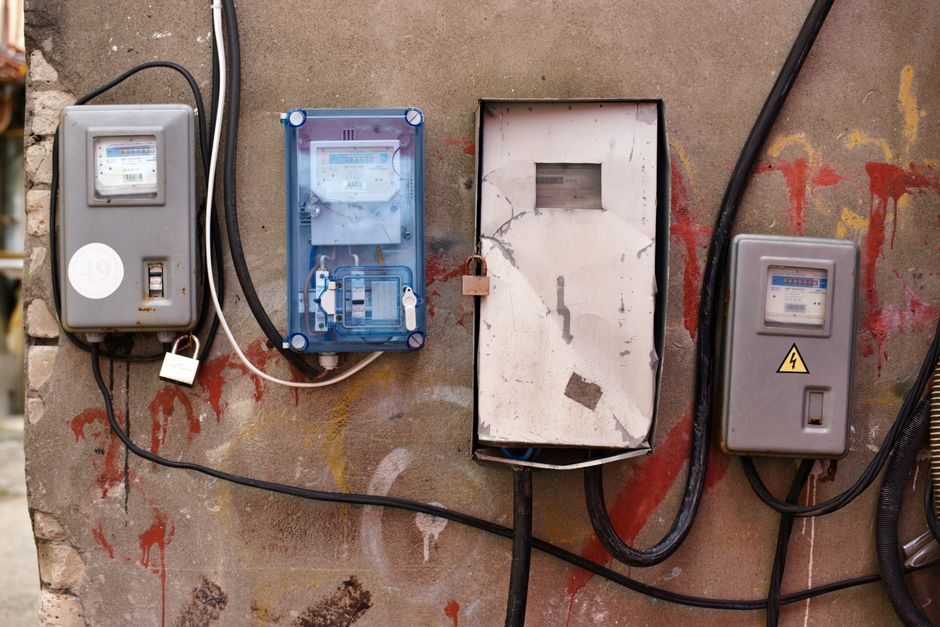
Begin by gathering records that show how the business uses energy, fuel, water and materials. Utility bills, vehicle logs, purchasing invoices and waste collection documents can reveal patterns without requiring a specialist measurement system. Record the period each document covers and note major changes in operations, so comparisons between seasons or years are not misleading.
- Choose the sites and activities to include.
- Collect energy, fuel, water, purchasing and waste records.
- Note missing data and unusual operating changes.
- Save a baseline to compare with future results.
When estimating the cost of energy-saving equipment, an online döviz çevirici can help convert a supplier’s quote into the company’s budgeting currency. Keep the original quote, the conversion date and any assumptions alongside the estimate, because exchange rates and supplier terms can change. This supports budgeting, while the environmental assessment should still compare energy savings and equipment performance.
Use one consistent boundary for the first assessment, such as a particular site or the whole company, and state what it includes. Direct fuel burned in company vehicles and purchased electricity are usually easier to document than impacts linked to suppliers or product use. Start with reliable records, identify gaps honestly and expand the boundary as better information becomes available.
Map Emissions and Resource Use
Map the main sources of impact by following how the business operates, from incoming materials to delivery and disposal. List fuel burned on site, electricity consumed, business travel, purchased goods and waste leaving the premises. This simple map helps owners see which sources are measured directly and which depend on information from contractors or suppliers.
Separate emissions the company produces directly from those associated with purchased energy and wider value-chain activities. This distinction helps clarify which changes the business can control immediately and where it must work with others. For example, a company can adjust its own delivery routes, while reducing impacts from purchased materials may require supplier data or a change in specifications.
Do not present rough estimates as precise results. If a waste contractor reports collection volume but not material weight, record the limitation and use a consistent method until better data is available. A clear inventory of known sources, assumptions and missing information is more useful than a polished figure that cannot be explained or repeated.
Set Priorities and Build a Practical Action Plan
Choose High-Impact Actions
Choose priorities by weighing environmental impact against the company’s ability to make a change. A recurring source of high energy use may deserve attention before a small, one-off waste stream, especially if staff can address it through maintenance or operating practices. Consider cost, time, disruption and likely environmental benefit together rather than ranking projects on one factor alone.
A useful action plan states what will change, who is responsible and what evidence will show progress. For example, a facilities lead could adjust heating controls and review utility bills after the change, while a purchasing manager could request material information from key suppliers. Keep actions specific enough to check, and make the person accountable clear to the rest of the team.
Build a mix of immediate operational changes and longer-term investments. Turning equipment off when idle may be straightforward, while replacing a heating system could require technical checks, approval and planned downtime. A staged plan lets the business make early progress without treating quick wins as a substitute for addressing larger sources of environmental impact.
| Option | Useful when | Consider |
|---|---|---|
| Operational changes | Waste comes from routine practices | Assign a clear process owner |
| Equipment investment | A system is inefficient or due for replacement | Compare performance and operating needs |
| Supplier engagement | Purchased goods shape major impacts | Request usable environmental information |
| Staff-led improvements | Workers see recurring resource losses | Test changes without disrupting safety |
Match Targets to Capacity
Set targets that are demanding enough to guide decisions but realistic for the business’s resources and operating conditions. An owner might target lower electricity use at a site, less material waste in production or fewer vehicle trips per delivery route. Define the period and measurement method so staff can tell whether the result reflects improvement or simply a change in workload.
Pair absolute measures with measures tied to activity when business output changes. Total energy use shows the overall demand placed on the system, while energy per unit produced can reveal whether a process is becoming more efficient. Reading both helps avoid the false impression of progress when consumption falls only because production or service activity has slowed.
Review progress often enough to spot problems before they become routine, but allow time for meaningful changes to show up in records. If a target is missed, check whether the action was completed, the data are reliable and operating conditions changed. Adjust the plan when necessary, documenting why, rather than quietly changing the measure or abandoning the goal.
Look for ways to reduce energy demand before buying replacement equipment or adding new supply.
Energy and Equipment Choices for Lower Emissions
Improve Existing Energy Systems
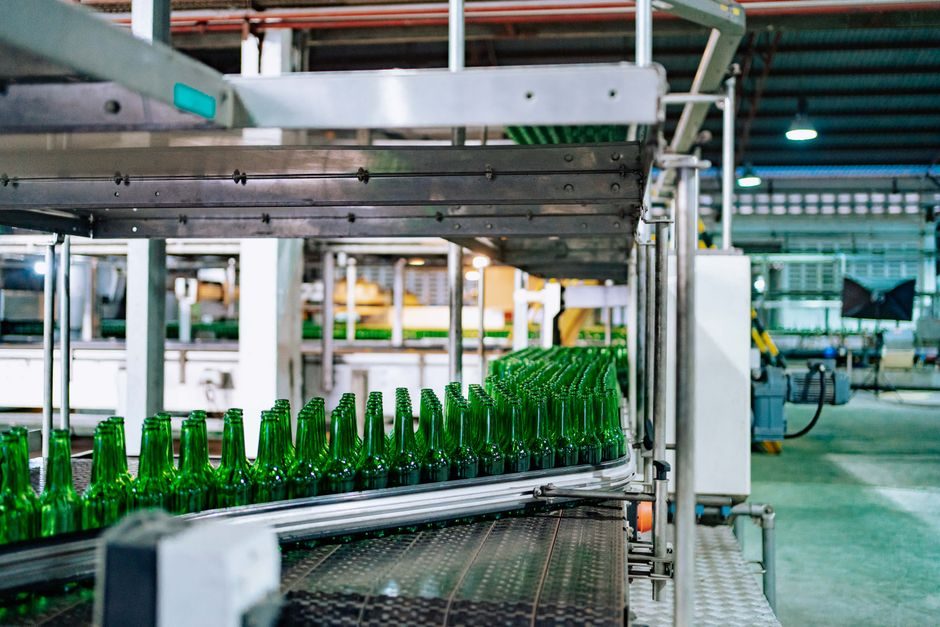
Look for ways to reduce energy demand before buying replacement equipment or adding new supply. Check heating and cooling schedules, maintain ventilation systems and identify machines that continue running when not needed. A site walk-through with staff can reveal practical issues such as open loading doors, poorly controlled temperatures or compressed-air leaks that routine bills may not explain.
- ☐ Review utility bills for unusual changes.
- ☐ Check controls, seals and maintenance records.
- ☐ Identify equipment that runs while idle.
- ☐ Assign an owner to verify follow-up savings.
Compare energy use across equipment, shifts or areas where records allow, and investigate unusual patterns before deciding on a fix. A sudden rise could reflect longer operating hours, a change in production or a maintenance issue rather than inefficient equipment alone. Confirm the cause with the people who use the system, then test a change and monitor whether consumption responds.
Make operational improvements repeatable by documenting settings and assigning someone to check them. For example, a closing procedure can specify which nonessential equipment is shut down, while a maintenance schedule can include filters, seals and controls. Keep safety and product requirements in view; reducing ventilation or changing process conditions without checking them can create new problems.
Evaluate Equipment and Energy Supply
When equipment needs replacement, compare its energy demand over expected use, not just its purchase cost. Check operating requirements, service needs and compatibility with the site, then ask suppliers for clear performance information. A more efficient machine may deliver little benefit if it is poorly matched to the workload or used in a way that cancels out its advantages.
Consider whether the business can source cleaner electricity, such as through an available renewable supply arrangement or on-site generation. Check contract terms, reliability, installation requirements and how the electricity’s environmental attributes are documented. A supply choice should fit the company’s location and operating pattern; owners should verify claims and avoid assuming that a label alone guarantees an impact reduction.
Plan equipment changes around maintenance cycles and operational needs to reduce disruption and avoid premature disposal. If a system can be repaired or controlled more effectively, compare that option with replacement, including the materials and waste involved. Keep records of the decision and subsequent energy use so the company can learn whether the investment delivered the expected operational and environmental improvement.
Materials, Suppliers, and Sustainable Purchasing
Choose Materials With Care
Start by identifying the materials that create the most waste or environmental harm in the products and services your business provides. A café might focus on disposable cups and food packaging, while a repair shop could examine solvents, replacement parts, and protective wrapping. Concentrating on high-impact items makes purchasing changes practical rather than cosmetic.
Compare products by asking what they contain, how long they last, and what happens when they are no longer useful. Recycled, recyclable, repairable, or reusable options can reduce impacts, but only when they suit the task and local waste systems. Ask suppliers for clear product specifications instead of relying on broad claims such as “green” or “eco-friendly.”
Before changing a widely used material, test the alternative with the people who handle it and the customers who receive it. Check whether it protects goods, meets safety requirements, and can be stored without damage. A small trial can reveal problems with durability or disposal before the business commits to a large order.
- Prioritize frequently purchased materials.
- Check durability and end-of-life options.
- Request specific product information.
Work With Responsible Suppliers
Include environmental expectations in supplier conversations, not just in a formal purchasing policy. Ask how products are made, packaged, and transported, and whether the supplier can provide evidence for material or emissions claims. Answers can help your team compare vendors on consistent criteria and identify where better information is needed.
Consider the full delivery pattern when evaluating a supplier. A nearby source may reduce transport impacts, but distance alone does not establish that a product is more sustainable; production methods, shipment size, and packaging also matter. Consolidating orders or choosing returnable containers may cut waste without requiring a complete supplier change.
For imported equipment or materials priced in US dollars, checking dolar kaç TL oldu can help clarify the expected cost in lira before comparing purchasing options. Build the decision around the item’s useful life, maintenance needs, and environmental performance as well as its purchase cost. That broader view can prevent a low initial price from driving a poor long-term choice.
Budgeting for Improvements and Cross-Border Costs

Build a Practical Business Case
Estimate the full cost of an environmental improvement before approving it, including installation, staff time, maintenance, and disposal of replaced equipment. Compare those expenses with potential savings from lower energy use, reduced material consumption, or fewer waste collections. A simple written case lets decision-makers see both the operational benefits and the uncertainties.
Separate essential upgrades from projects that can wait, then consider whether each change can be introduced in stages. For example, a business could begin with lighting in the busiest work areas and assess the results before replacing fixtures throughout the site. Phased work can limit disruption and produce practical evidence for later budget requests.
Avoid treating projected savings as guaranteed. Results depend on operating hours, energy prices, equipment performance, and how consistently staff use the new system. Record the assumptions behind each estimate and revisit them after implementation, so future decisions rely on observed performance rather than an optimistic forecast.
- Include installation and maintenance costs.
- Compare expected savings with actual bills.
- Stage upgrades where practical.
Plan for International Purchases
When equipment or materials cross borders, build currency movements, shipping, duties, and delivery timing into the purchasing plan. A quoted price may not represent the final amount paid once transport and import charges are included. Ask suppliers for a complete estimate and confirm which costs could change before placing an order.
Compare imported and locally available options using the same performance requirements and expected service life. A local product may have a higher purchase price but simpler maintenance, while an imported option may offer a capability the business cannot source nearby. Include environmental performance, repair access, and replacement-part availability in that comparison.
Set a clear approval point for exchange-rate changes or other cost shifts that would require the purchase to be reviewed. The threshold should reflect the organization’s own budget controls rather than a generic rule. If the final cost rises, revisit the business case and consider delaying, resizing, or choosing a different specification.
Common Pitfalls in Business Sustainability Plans
Avoid Vague Commitments
Replace broad promises with defined actions, owners, and review dates. A goal to “reduce waste” does not tell staff what to change or how success will be judged, but a commitment to weigh a specific waste stream and test prevention measures creates a workable task. Clear responsibilities also make it easier to spot delays.
Be cautious about relying on a single visible gesture while leaving larger impacts untouched. Switching office stationery may help, but it will not address substantial energy use, transport, or product materials if those dominate the company’s footprint. Use the assessment findings to choose actions that match the scale and source of the problem.
Do not claim that a product or business is environmentally friendly based on one improvement. Describe the change precisely, including what it covers and what remains outside its scope. Accurate communication protects customer trust and helps employees understand that sustainability is continuing work rather than a label earned once.
- Give each action an accountable owner.
- Describe claims narrowly and clearly.
- Prioritize impacts identified in the assessment.
Make Changes Work in Practice
A technically sound policy can fail if it conflicts with how people actually work. Reusable containers, for instance, need a clear collection and cleaning process, while waste sorting requires correctly placed bins and instructions that match local services. Observe daily routines before finalizing a change, then remove barriers that make the better option inconvenient.
Do not introduce several unfamiliar procedures at once without explaining what staff should do differently. Give people short, task-specific guidance and allow time for questions, especially when a change affects safety, customer service, or production. Supervisors can reinforce the new routine by checking it during normal work rather than relying on one announcement.
Review unintended effects after a change begins. A substitute material may increase breakage, a new delivery pattern may create storage pressure, or an energy-saving setting may disrupt essential operations. Collect feedback from employees and suppliers, correct the process where necessary, and keep the environmental goal in view while protecting business continuity.
Tips for Tracking Progress and Improving Over Time

Use Measures You Can Maintain
Choose a small set of measures that relate directly to your main environmental impacts and that the business can collect consistently. Depending on the operation, useful records may include electricity and fuel use, water consumption, material purchases, waste volumes, or delivery activity. A measure is only useful if staff know where its data comes from and how often to update it.
Keep the measurement method consistent so changes over time mean something. If a business expands, for example, total energy use may rise even while each unit of output requires less energy. Pair totals with a relevant operational measure, such as floor area or production volume, and explain any changes in the way data is collected.
Record a starting point before judging whether a new measure worked. Keep utility bills, purchase records, waste invoices, and maintenance notes together, with the date and scope of each record. For a small business, a simple spreadsheet may be enough; the key is a reliable routine, not elaborate reporting software.
- Track measures tied to major impacts.
- Keep methods consistent over time.
- Save source records for comparison.
Review Results and Adjust
Set a regular review that gives the team enough time to see a real pattern without letting problems go unnoticed. Compare current records with the starting point and ask whether changes reflect the improvement, different operating conditions, or missing data. A brief review with the people responsible for each action can turn figures into practical decisions.
When progress stalls, investigate the cause before adding another target. Equipment may not be set as intended, staff may lack clear instructions, or the original measure may not capture the main effect. Check the process on site, gather input from the people doing the work, and adjust the action or the way results are measured.
Share findings in plain language with staff and relevant business partners, including setbacks as well as progress. Explain what changed, what the records show, and what the team will test next. This makes environmental work part of routine operations and helps the business refine its approach as products, suppliers, and conditions change.
Frequently asked questions
How can a small business start without a sustainability team?Assign one person to coordinate the work, but involve employees who understand daily operations. Begin by collecting a few existing records, such as utility bills, purchasing information, and waste invoices, then identify the biggest practical opportunity. A short review with the team can set an owner and next step for each action without requiring a dedicated department or specialized reporting system.
How should a business check a supplier’s environmental claims?Ask the supplier to explain exactly what a claim covers and request supporting product information, certifications where relevant, or details of its production and packaging practices. Compare suppliers using the same questions rather than accepting broad labels at face value. If evidence is limited, record that uncertainty and treat improved disclosure as part of the purchasing discussion.
Should a business wait for perfect data before making changes?No. Use the information already available to identify sensible, low-risk steps, while noting gaps that could affect future decisions. For example, utility bills can help reveal energy patterns even if a company has not measured every source of emissions. Improve the data collection alongside the action, and avoid making precise claims that the evidence cannot support.
How can employees be encouraged to support environmental changes?Explain the purpose of each change and show employees how it affects their tasks, safety, or customers. Ask frontline staff to identify obstacles before a new routine is set, since they may notice practical issues that managers miss. Provide clear instructions, invite feedback after implementation, and share results so people can see whether their efforts are helping.
Turn Environmental Goals Into Routine Practice
A more environmentally responsible business is built through choices that address real impacts: what it buys, how it operates, and what happens to materials afterward. Start with evidence, select improvements that fit the organization’s needs, and give each action an owner. Clear cost estimates and reliable records help keep the work credible, while staff feedback can reveal problems before they become routine.
The next step is to choose one practical improvement linked to a significant impact and document its starting point. Set a review date, decide who will check the result, and keep the records that support the comparison. Use what the team learns to refine the action or select the next priority, so progress grows through repeatable decisions rather than broad promises.
Add Climate as a preferred source on Google


