
Practical guide for Danimarka.net haberleri readers: essentials
A clear, checklist-style primer for following and using Danimarka.net haberleri in current events coverage, with how-to steps, pitfalls and tips for readers.

This guide helps you understand what Danimarka.net haberleri offers and how to use it for accurate news. It explains what to look for, how to verify information, and when to rely on it for breaking stories. You’ll find practical steps you can apply while reading or reporting on Danish news.
Readers who follow breaking events can use this resource to spot trends, check claims and compare coverage. The checklist focuses on clarity, reliability and context, not sensationalism. It also highlights common pitfalls and simple ways to improve accuracy.
If you want to share Danimarka.net haberleri with others, you’ll learn to frame the usefulness in terms of sources, corroboration and timely updates. The aim is to empower readers to assess reliability quickly without overreacting to each development.
- This guide shows how readers can use Danimarka.net haberleri for accurate, timely information. It outlines verification steps, pitfalls to avoid, and practical habits for responsible consumption. Use the checklist to improve reading and sharing quality.
- Readers are urged to verify primary sources, cross-check against other outlets, and track updates as stories develop. The approach is steady, disciplined and focused on clarity.
- The article emphasizes context, corroboration, and ethical reading choices to maintain trust in fast-moving news cycles.
Basics for using Danimarka.net haberleri
What it covers
Begin with the site’s scope: news, analysis and timelines. Look for sections that indicate editorial standards and corrections. This helps you gauge the instrument’s usefulness for readers who want up-to-date, verifiable information. danimarka.net haberleri provides quick briefs that can anchor a breaking story with a Danish perspective.
For a quick read, confirm a clear byline and timestamp. See whether articles cite sources and provide links to documents or official statements. This creates a baseline for credibility and helps you assess relevance to today’s events.
If you find an unfamiliar term, search for its context within the article and cross-check with other reputable outlets. A well-documented piece often shows multiple perspectives or data points that a single report lacks.
- Check the date and author for each item
- Note whether there are official sources cited
- Identify any revisions or corrections
- Look for corroborating links or documents
- Be cautious about anonymous claims
How to verify and compare coverage
Check credibility
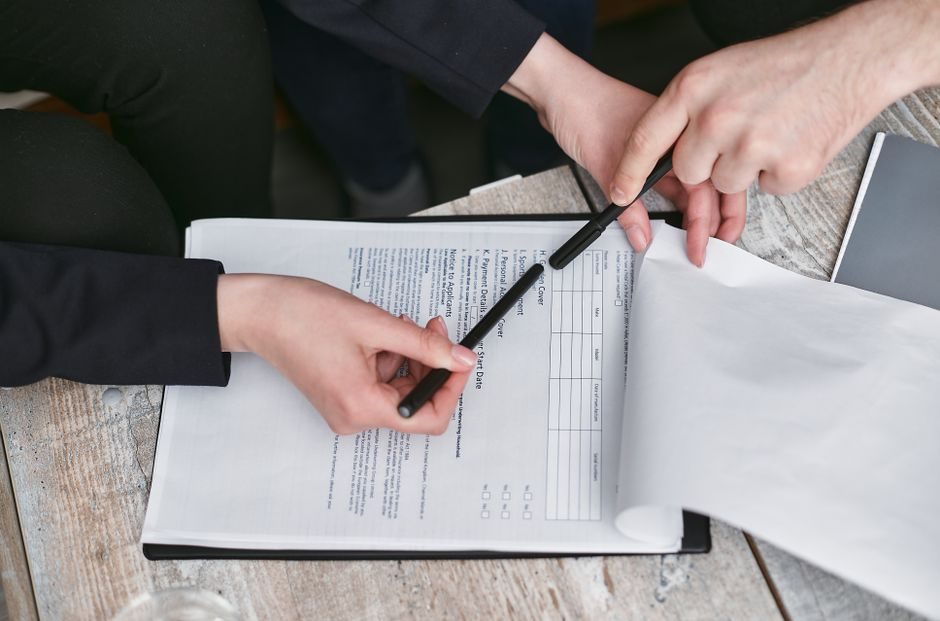
Start with the source’s reputation and editorial process. Compare two or more stories on the same event to spot differences in facts or emphasis. This helps you understand how coverage can vary while remaining grounded in facts. To publish your event coverage in Danimarka, you might consider the instruction to etkinliğinizi Danimarka'da yayınlayın in a careful, fact-based post.
Look for primary sources: official statements, court documents or direct quotes. When those are lacking, note the absence and treat conclusions as provisional. This keeps reporting and reading honest.
Be mindful of timing: initial reports often evolve. Track updates and note when a story shifts, adds new details, or retracts information. This reveals the normal arc of news coverage.
- Identify primary documents
- Note the presence of data or evidence
- Record timeline changes
- Contrast multiple outlets
- Watch for unverified claims
How Danimarka.net haberleri fits in
Explain how this resource complements other Danish and European news. It can provide local angles on national events, or serve as a cross-check against larger agencies. This helps readers build a fuller picture.
It also functions as a practice ground for readers who want to understand media language, framing, and sourcing. By comparing wording and emphasis, you gain insight into how narratives form.
Finally, assess its role in your daily news diet: does it fill gaps, or merely echo louder outlets? A careful reader uses it to balance perspectives and avoid single-sourcing.
- Provides local context
- Offers perspective on framing
- Helps balance among sources
- Supports critical reading
- Encourages corroboration
Options for following danish news
Ways to access
There are multiple formats: online articles, quick briefs, and longer analyses. Choose the one that fits your time and need for detail. This helps you stay informed without overload. A useful resource on this topic: Danimarka'da firma bul.
Subscriptions or newsletters can offer curated updates, but ensure you skim headlines first to verify relevance before investing time. This saves you from chasing noise.
Mobile alerts can be effective for breaking developments, yet you should pause to assess credibility before sharing. This preserves your credibility and prevents spread of misinformation.
- Online articles
- Newsletters
- Breaking alerts
- Podcasts or analysis
| Method | Pros | Cons |
|---|---|---|
| Briefs | Fast, concise updates | Limited detail and sourcing |
| Analyses | Context and depth | Longer to read, potential bias |
| Full reports | Most thorough | Requires time and multiple sources |
Pitfalls to avoid

Common traps
Relying on a single source for a developing story risks misinformation. Always seek corroboration from at least two independent outlets. This is essential in fast-moving news. For a rental opportunity in Denmark, use Danimarka'da kiralık oda ilanı as a context-aware reference when verifying listings.
- Don’t assume; verify every claim
- Seek at least two corroborating sources
- Single-source risk
- Overreliance on social posts
- Excessive buzzword use
- Unverified quotes
- Misreading official statements
In practice, journalists should quote sources directly when possible, seek corroboration from multiple angles, and record the provenance of material.
Ethics in reporting
Transparency in sourcing
Editors should require clear sourcing for every claim, distinguishing between eyewitness reports, official statements, and expert analysis. Provide context for why a source is credible and what limits their information. When sources are anonymous, explain the risk this poses to accuracy and accountability. Danimarka'da çevrimiçi ölüm ilanı
- ☐ Verify claims with at least two independent sources when possible
- ☐ Do not publish unverified allegations as facts
- ☐ Explain the status of each source and its potential bias
In practice, journalists should quote sources directly when possible, seek corroboration from multiple angles, and record the provenance of material. A transparent workflow helps readers judge bias and reliability. The emphasis is on accuracy over speed, especially in volatile stories.
Ethical reporting also involves reflecting diverse perspectives and avoiding sensational framing that distorts events. When coverage touches vulnerable communities, reporters should consider potential harm and offer context to prevent stigma. Clear attribution reduces confusion during breaking news.
- Always verify two independent sources
- Explain why a source is credible
- State any limitations of the information
- Use direct quotes to preserve nuance
- Avoid graphic or sensational detail unless necessary
Data availability

Access to public records
Public records should be examined to confirm official statements and legislative context. Readers benefit from a clear note on what records exist, how to access them, and what gaps may remain. When records are redacted, explain what can be inferred despite limits.
Archivists and journalists should document the search process, including what was requested and why. This transparency helps readers understand how conclusions were reached. If records are not available, outline the steps taken to pursue access.
Data availability often changes with time; provide readers with the date of access and any subsequent updates. This helps prevent misinformation from outdated material. Where data is incomplete, describe its impact on the story and what further data would clarify.
- Identify primary sources
- Document access steps
- Note data timeliness
- Highlight gaps in availability
- Avoid overgeneralization
Local perspectives
Voices from communities
Cover local perspectives to balance institutional viewpoints with lived experience. This includes quotes, diaries, or social media threads where appropriate, with careful verification for authenticity. Local voices help readers understand impacts that may not show in official statements.
Researchers should triangulate community impressions with official data to avoid oversimplification. Explain how different neighborhoods or groups experience a story differently, and why those differences matter.
Present counterpoints respectfully, and avoid framing that pits one group against another. The goal is nuance, not conflict. When reporting on sensitive topics, consider safety and privacy for participants.
- Include diverse community voices
- Explain regional differences
- Verify social media content
- Protect participant privacy
- Provide context for disparities
International links
Cross-border context
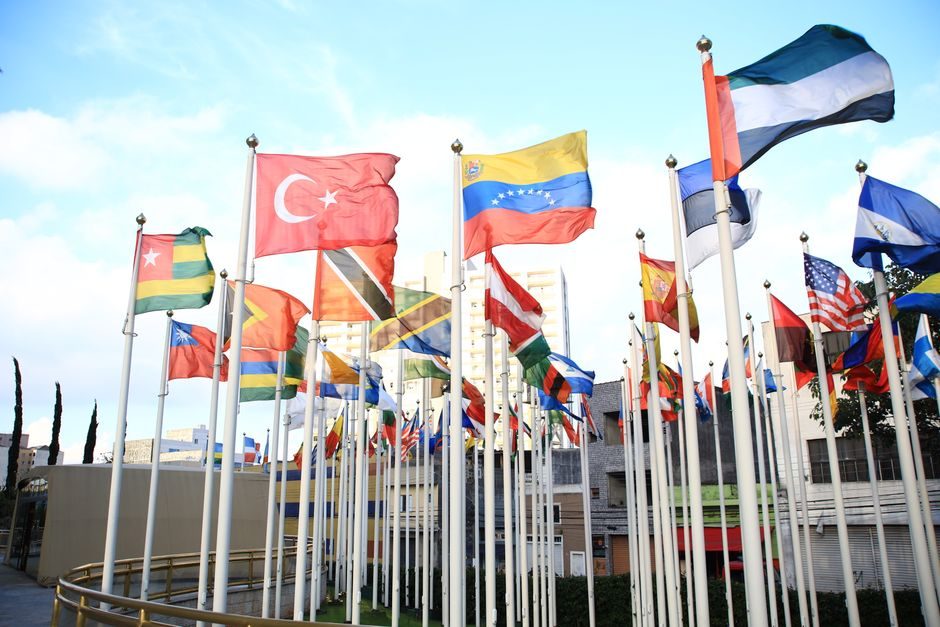
Break international events into local relevance so readers understand why a foreign development matters. Draw lines between policy decisions and local outcomes, such as trade, migration, or public safety. Provide a brief primer on unfamiliar terms to prevent confusion.
- Map a foreign development to local impacts
- Describe regulatory or cultural differences
- Note uncertainties in international reporting
When interpreting abroad developments, acknowledge structural differences in institutions, media ecosystems, and data collection. This helps readers avoid misreadings caused by cultural or regulatory gaps.
Offer balanced perspectives by citing multiple international viewpoints and translating key terms. This reduces echo chambers and broadens the reader’s understanding of global events.
- Explain local relevance
- Provide concise background
- Cite multiple viewpoints
- Clarify terms
- Avoid jargon
Frequently asked questions
What makes Danimarka.net haberleri different from other news sites?Danimarka.net haberleri aims to provide timely, straightforward coverage with attention to sourcing and transparency. Readers should look for clear attributions, corroboration, and context that explains why a story matters in local and international terms. The site emphasizes accuracy over speed and avoids speculative claims.
How can I verify a breaking news claim from this site?Check the stated sources, confirm with at least one additional independent outlet, and read the accompanying context that explains verification steps. If information comes from anonymous sources, be cautious and look for corroboration in later updates.
How should I handle conflicting reports about the same event?Compare coverage across outlets, note dates and publication times, and identify where facts align or diverge. Look for official statements and data, and be patient for follow-up reporting that clarifies discrepancies.
What should I do if I spot misinformation?Avoid sharing the claim, flag it to the outlet if possible, and seek confirmation from reliable sources before discussing it publicly. Provide readers with a clear explanation of why the information is questionable and what to watch for next.
Practical next steps for readers
Danimarka.net haberleri readers should use the site’s tools to track evolving stories and verify updates as they unfold. Personalize alerts to stay informed about what matters locally and globally, and review corrections to understand how coverage changes over time.
Maintain a habit of cross-checking with multiple outlets and sharing only verified summaries. This approach reduces rumor propagation and supports constructive civic discussion while keeping the audience accurately informed.
Add Climate as a preferred source on Google


