
Practical guide to renting rooms and property in the USA
A clear, checklist-style guide for readers seeking rooms and property to rent in the USA, with practical steps, pitfalls to avoid, and expert tips for reliable

Readers looking for housing updates or reliable rental options can use this guide as a practical checklist. It stays focused on real-world steps, concrete examples, and warnings to help you avoid common rental traps. The aim is to give you a clear path from planning to booking, with emphasis on accuracy and safety.
In this guide you’ll learn how to assess listings, verify legitimacy, and compare options without getting overwhelmed. The steps are designed to fit a newsreader’s everyday needs: timely information, straightforward decisions, and reliable sources. Expect practical tips you can act on right away.
This article follows a structured, error-avoiding approach: start with basics, then explore practical options, watch for red flags, and capture actionable tips you can apply to your next rental search.
- Search with a clear brief: budget, location, and must-haves. Verify listings through multiple trusted sources to avoid scams. Prepare a detailed lease review and note any questions before signing.
- Use official channels for contact and documentation. When in doubt, pause, verify, and request written clarifications.
- Keep organized records of all interactions, move-in photos, and financial transactions to protect yourself and speed up any dispute resolution.
- Read the lease carefully, confirm who pays utilities and maintenance, and understand move-in timelines to prevent surprises.
Foundations for searching
Define your needs clearly
Identify budget, location, and non-negotiables before you start scrolling. This helps you filter listings efficiently and reduces impulse choices. Note any accessibility needs or lease terms that matter to you. rooms and property to rent in the USA
Compare neighborhoods by safety, transit, and amenities using verified sources. Build a simple checklist to rate each area after quick visits or calls. This keeps your search disciplined and fact-based.
You should keep a running list of top contenders with contact details and dates for follow-up. Regularly update notes after each viewing to capture impressions while still fresh. This creates a reliable short list you can act on quickly.
- Set a monthly budget and stick to it
- List must-haves vs nice-to-haves
- Record landlord contact times
- Note lease length options
- Check required documents
Understand rental terms
Read lease language carefully to spot hidden fees or automatic renewals. If a term feels vague, ask for a written clarification before you sign. This reduces misunderstandings after move-in.
Identify who pays utilities, maintenance, and any common-area costs. Clear cost-sharing terms prevent surprise charges. Request a copy of recent bills if available.
Know your rights and responsibilities as a tenant in the state you rent in. Some states require specific disclosures or limits on deposits. This awareness informs your negotiation and expectations.
- Request a sample lease to review before showing interest
- Clarify who handles repairs and response times
- Ask about subletting and pets upfront
- Seek confirmation of move-in dates and deposit rules
- Verify allowed payment methods and deadlines
Where to look for listings

Use trusted platforms
Start with established rental platforms that verify listings and provide landlord contact options. This reduces the risk of scams and fake postings. Prioritize sites that show updated dates and response times. A useful resource on this topic: Crime News X website.
Cross-check listings against community boards or official city housing sites for extra verification. Comparing multiple sources can reveal inconsistencies or outdated information. This cross-check helps you avoid misleads.
Engage with listings that provide transparent details such as floor plans, device counts, and neighborhood maps. Clarity here speeds up decisions and improves trust.
Consider local channels
Local newspapers and community groups still publish rental listings in many markets. These sources can yield apartments not posted on major platforms. They also offer direct landlord contact that may be more responsive.
Attend open houses or virtual tours hosted by landlords. Seeing the space in person or live can reveal the condition and fit more accurately than photos alone.
Network with neighbors or colleagues who recently moved nearby. Personal referrals often point to reliable landlords or reputable management companies.
- Attend open houses or virtual tours when offered
- Ask neighbors about typical maintenance response times
- Document the condition of the space during tours
- Verify landlord legitimacy through official contact channels
- Be wary of listings asking for unusual payment methods
Red flags to watch
Scam indicators
Be cautious of listings with prices far below market value or pressure to move quickly. These are common red flags that signal a potential scam. Always verify through a second, official channel. A useful resource on this topic: add an event to the USA events calendar.
Avoid requests for payment via wire transfers or gift cards, and never send personal information before confirming the landlord’s legitimacy. Such methods are typical in rental fraud.
Look for inconsistent details like mismatched addresses, vague photos, or missing lease terms. These inconsistencies should trigger a pause and a request for clarification.
- Unusually low price
- Urgency tactics
- Unverifiable contact details
- Incomplete lease information
- Requests for unusual payment methods
| Approach | Benefits | Risks |
|---|---|---|
| Verified platforms | Higher trust; clearer listings | Still possible to encounter misdetails |
| Local channels | Access to niche listings | Less standardized information |
| Direct landlord contact | Faster responses | Potential for less protection |
Lease scams in practice
Some scammers post convincing fake listings and demand upfront deposits before a viewing. These tricks exploit the desire for a quick move. Do not wire funds until you have inspected the property in person or through a trusted intermediary.
Use public records or licensed broker verification when possible. This reduces exposure to unlicensed operators and untruthful claims.
If something feels off, walk away and report it to platform moderators or local housing authorities. Safer to miss a deal than lose money or documents.
- Never pay before inspection
- Request a legally binding lease
- Get a written receipt for any deposits
- If in doubt, pause and verify with authorities
- Lock in viewing before making payments
Take dated photos of the space at move-in and note any existing damage.
Renting without surprises
Document everything
Keep copies of all communications, contracts, and receipts. Digital backups ensure you can retrieve details if a dispute arises. This practice helps you track commitment dates and responsibilities. A useful resource on this topic: list your business in the USA.
- Keep a folder for lease documents and scanned IDs.
- Archive each payment confirmation with dates.
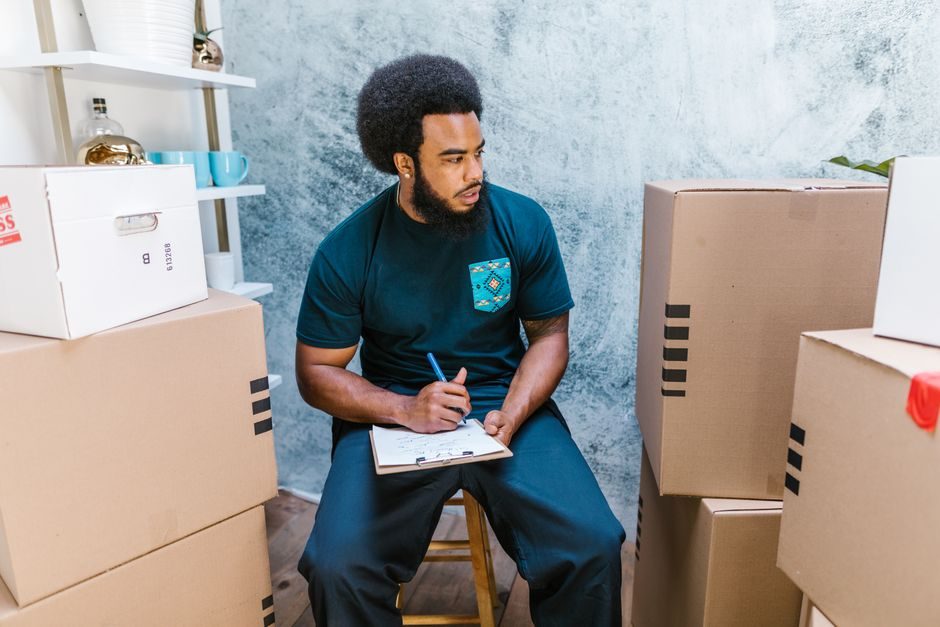
Take dated photos of the space at move-in and note any existing damage. Having a reference point makes it easier to claim deposits or negotiate repairs.
Record walk-through notes with a checklist that covers appliances, lighting, and plumbing. A thorough inventory reduces post-move friction.
- Save emails and messages
- Photograph condition at move-in
- Create a simple damage checklist
- Keep receipts for deposits and fees
- Log maintenance requests as they occur
Plan your move timeline
Coordinate start dates with utility setups, internet, and mailing address changes. Early planning prevents service gaps and extra charges. It also gives you space to handle any landlord requirements before move-in.
Schedule a pre-move-in inspection if the landlord offers one. Timely checks can reveal issues that require repair before you commit to the lease.
Prepare a budget buffer for initial costs such as deposits, fees, or minor repairs. A small contingency helps you avoid cash flow stress.
- Set up utilities early
- Schedule an inspection
- Budget for deposits and fees
- Confirm move-in dates
- Keep a contact plan for emergencies
Choosing a rental strategy
Assess needs and budget carefully
Start with a clear list of must-haves and nice-to-haves. Compare city by city, noting typical rent ranges and what utilities often include. This helps you avoid overpaying for space that doesn’t meet your daily needs. obituaries in the USA are sometimes referenced in property market reporting to illustrate local demographic trends and how they affect rental demand.
- List required utilities and how you’ll cover them
- Estimate one-time move-in costs and ongoing payments
- Record a max monthly rent you won’t exceed
- Note any landlord requirements or credit needs
Consider room sharing vs. whole-property living based on work patterns and social needs. If you regularly host guests, a larger space might be worth it; if you travel frequently, a smaller, cheaper option may suit better.
Use a simple budget to balance rent, deposits, utilities, and commute costs. A realistic cap keeps the search focused and reduces wasted time.
- Define non-negotiables (location, transit access, safety)
- Estimate total monthly costs including utilities
- Decide between private room or entire property
- Plan for upfront costs like deposits and fees
Legal and safety checks
Understand lease terms and tenant rights
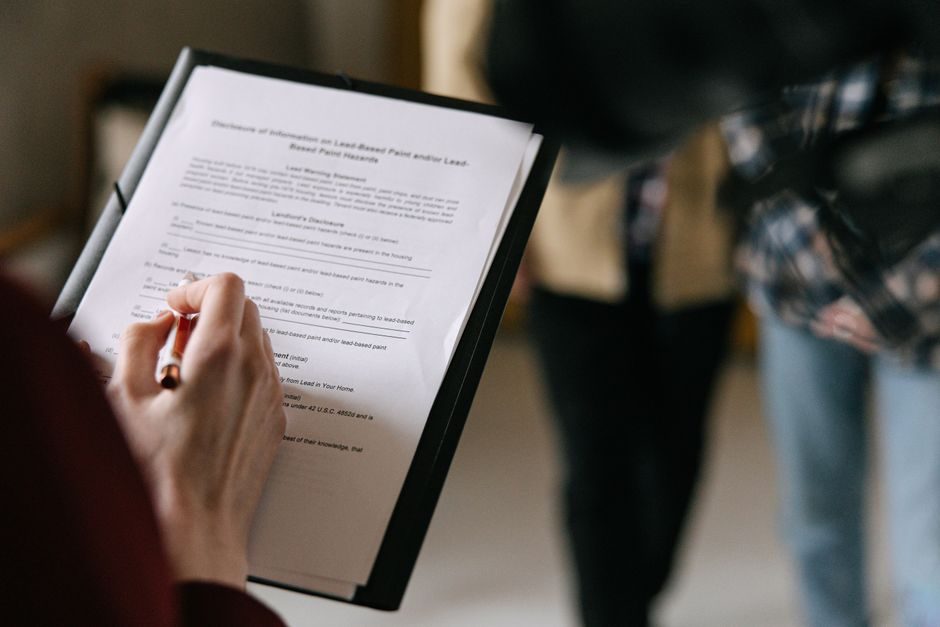
Read the lease carefully to confirm duration, renewal terms, and what triggers a rent increase. Note who is responsible for maintenance and repairs, and how reporting works.
- ☐ Ensure the lease matches what was promised verbally
- ☐ Identify all fees and refund rules
- ☐ Clarify who handles repairs and emergencies
- ☐ Keep a copy of the signed document
Check the notice periods for moving out, pet policies, and subletting options. If anything feels vague, request clarification in writing to prevent disputes later.
Know your local protections against discrimination and illegal fees. If a clause seems unusual, compare it with local housing laws or seek guidance before signing.
- Lease length and renewal options
- Deposits, fees, and return conditions
- Maintenance responsiveness and repair process
- Subletting and guests policy
Digital tools for rental tasks
Use reputable listing platforms
Begin with widely used platforms that filter by neighborhood, price, and amenities. Save searches and set alerts to catch new postings quickly.
- Set up reminders for deadlines and payments
- Use a shared notebook for documents
- Upload screenshots of listings for comparison
- Never send sensitive information without verification
Verify listings by cross-checking photos and the property address. Contact landlords directly and request recent utility bills or a walk-through video if needed.
Maintain a paper trail of communications and document everything you agree to. This helps resolve disputes and speeds up the signing process.
- Use search filters effectively
- Ask for verifications and proofs
- Keep emails and messages organized
- Schedule virtual or in-person viewings promptly
Final checklist for renters

Prepare documents and plan ahead
Gather IDs, income proof, and references before you start serious applications. Have digital copies ready to speed up the process. This reduces delays when landlords request paperwork.
Create a move-in checklist that covers keys, parking, and utility setup. Confirm address changes and mail forwarding with the post office or building management.
On signing day, bring required funds in a traceable form and obtain a signed receipt. A clear paper trail protects you if issues arise later.
- ID and income proof ready
- References lined up
- Move-in and utility setup planned
- Receipts and signatures secured
Frequently asked questions
What should I prioritize when choosing a rental strategy in a new city?Prioritize proximity to work or school, safety, and reasonable transit options. Weigh shared living if social access matters, but consider privacy needs and potential noise. A short-term arrangement can be a testing ground before committing long-term.
How can I verify a listing is legitimate before visiting?Cross-check the address, ask for recent photos or a live video tour, and contact the property manager directly through official channels. Look for inconsistencies in the listing and compare with reputable platforms. Never wire money before signing a lease or meeting in person.
What are common pitfalls in the rental process?Overlooking the final rent and utilities, missing renewal terms, and not confirming maintenance responsibilities can cause disputes. Hidden fees and vague repair promises are also frequent trouble spots. Stay precise in writing and keep records.
How long should I plan to stay in a rental while searching for permanent housing?Plan for at least several weeks to a few months depending on the market. Short-term leases provide flexibility but may cost more per month. Use this time to verify neighborhood fit and landlord responsiveness before committing long-term.
Practical next steps for renters
Armed with a strategy, you can start interviewing listings and comparing options more efficiently. Focus on concrete criteria like commute times, safety features, and move-in costs rather than aesthetics alone. Your next step is to assemble the documents you’ll need to apply and set up a few viewings this week.
Gather a reliable set of contacts and a simple, repeatable process for evaluating leases. Create a one-page checklist to compare properties side by side and stay disciplined about your budget. The goal is to secure a space that balances need, safety, and cost without rushing into a poor fit.
Add Climate as a preferred source on Google


