
Renewable Energy: How It Works, From Source to Socket
Learn how wind, solar, hydro and other renewable sources generate electricity, connect to the grid and stay reliable with storage and flexible demand.

Renewable energy comes from sources that replenish naturally, such as sunlight, wind and flowing water. Equipment converts those resources into electricity, which is conditioned to match grid requirements and then delivered through transmission and local distribution lines. Its reliability depends on the mix of sources, weather, grid connections, storage and how flexibly electricity demand can respond.
The route from source to socket is not the same for every technology. Solar panels produce direct current that inverters convert to grid-compatible alternating current, while wind turbines use generators and hydro plants harness moving water. Grid operators balance supply and demand continuously, drawing on different generators, storage and flexible loads.
Understanding those steps helps explain both the strengths and limits of renewable power. A windy region may produce more electricity at some times than others, while a well-connected grid can share power across a wider area. Storage and flexible use can help bridge gaps, but neither removes the need for dependable networks and careful planning.
- Renewable technologies convert sunlight, wind, water and other replenishing resources into electricity.
- Inverters, substations and power lines condition and deliver electricity to users.
- Weather, grid capacity and changing demand shape how much renewable power can be used.
- Storage, flexible demand and connected networks help balance supply, but work best together.
What renewable energy means
Renewable sources and replenishment
Renewable energy comes from natural processes that replenish on human timescales, including sunlight, wind, flowing water, geothermal heat and organic material. The term describes the source, not whether a particular project has no environmental effects. A solar farm, for example, uses a renewable resource but still needs land, equipment and grid connections.
- Renewable sources replenish naturally, but their availability varies by place and time.
- Renewable describes the energy source, not the full environmental footprint of a project.
- Equipment and grid connections turn a natural resource into usable electricity.
Renewable resources differ from fuels such as coal, oil and natural gas, which are extracted from finite deposits and release carbon dioxide when burned. Some renewable technologies generate electricity directly from a natural flow; others convert heat or stored chemical energy. That distinction helps explain why their equipment and operating patterns vary.
The word renewable does not mean unlimited or always available. A river's usable flow can vary, sunlight changes through the day, and wind speeds rise and fall. The practical question is how much useful energy a resource can provide at a particular place and time, and what infrastructure is needed to use it.
- Sunlight can be converted by photovoltaic panels.
- Wind turns turbine blades connected to generators.
- Moving water can drive hydroelectric turbines.
- Geothermal plants use heat from underground.
Electricity and other energy uses
Renewable energy can provide electricity, heat or fuel, and these uses should not be treated as interchangeable. Solar panels and wind turbines generate electricity, while solar thermal systems capture heat. Renewable fuels can serve some transport or industrial needs, but they involve different conversion steps and infrastructure.
Electricity is especially useful because it can power homes, businesses, transport and equipment through an interconnected network. Yet generating renewable electricity does not automatically replace every fossil-fuel use. Buildings may need electric heating, vehicles may need charging, and industrial processes may require redesigned equipment before they can use clean power.
When assessing a project, check what energy service it supplies and how that output reaches users. A wind farm produces electricity, whereas a solar water-heating system supplies heat at a building. Keeping the distinction clear makes comparisons more useful and avoids assuming that one technology can meet every energy need.
How renewable sources produce electricity
Turning natural flows into power
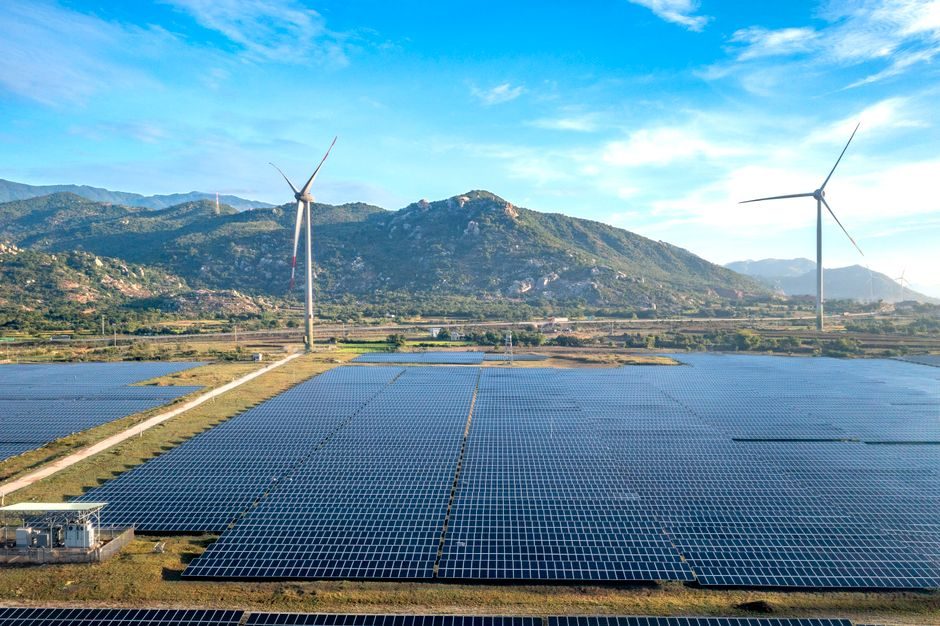
Solar photovoltaic cells convert light into electrical current when sunlight excites electrons inside a semiconductor. Panels combine many cells, and an inverter converts their direct current into alternating current that can be used by buildings or connected to the grid. Output changes with sunlight, shade, panel orientation and temperature.
Wind turbines capture moving air with blades that turn a rotor connected to a generator. The generator converts that rotation into electricity, while control systems adjust the blades and turbine orientation to manage changing wind. Turbines shut down in conditions outside their safe operating range, so their output is not constant.
Hydroelectric plants use flowing or falling water to spin turbines linked to generators. Some plants use reservoirs to control when water passes through, while run-of-river facilities depend more directly on river conditions. Geothermal plants use underground heat to produce steam or heat a working fluid, which then drives a turbine.
Matching power to grid standards
Electricity must meet technical requirements before it can flow safely into a shared grid. Inverters and other control equipment help align voltage, frequency and phase with the network, while protective devices disconnect equipment if a fault occurs. These controls allow variable generators to operate as part of a coordinated system.
A grid-connected solar inverter monitors the network and adjusts its output to remain within permitted operating limits. Wind farms use power converters and control systems to manage the electricity produced by their turbines. Grid operators set connection requirements so generators respond predictably to voltage changes and disturbances.
The conversion process also affects where electricity can be used. A home system may serve nearby appliances first, while surplus electricity can be exported through a meter and local network. If the grid connection is constrained or the system is configured to limit exports, some potential generation may not reach other users.
- Generators create electrical output from a natural resource.
- Power electronics condition output for grid connection.
- Protective systems detect faults and help isolate equipment.
From generation to the power grid
Connecting generators and users
Electricity travels from generators through transmission lines, substations and local distribution networks before reaching buildings. Transformers raise voltage for efficient long-distance transmission and lower it again for local use. Grid operators coordinate flows across these connected assets, matching supply with demand as conditions change.
- ☐ Identify where a generator connects to the network.
- ☐ Check whether transmission capacity is available.
- ☐ Ask whether local distribution upgrades are required.
- ☐ Consider how operators will manage power flows.
A large wind or solar project usually connects to the network through dedicated equipment and a substation. Smaller rooftop systems may connect through a neighborhood distribution circuit. In either case, the network must have enough capacity to carry power safely, and connection studies identify upgrades or operating limits that may be needed.
Power does not follow a labelled route from one particular generator to one particular socket. It flows through interconnected equipment according to electrical conditions across the network. When a customer uses electricity, the system as a whole must balance that demand with generation, imports, storage discharge or other available supply.
- Transmission lines carry electricity over longer distances.
- Substations connect network components and change voltage.
- Distribution lines deliver power to homes and businesses.
| Connection route | Typical generator | Main consideration |
|---|---|---|
| Transmission network | Large wind farm | Long-distance capacity |
| Distribution network | Rooftop solar | Local circuit limits |
| Dedicated substation | Utility-scale solar | Connection equipment |
| Interconnector | Regional power exchange | Available transfer capacity |
Managing changing electricity flows
Grid operators keep electricity supply and demand balanced because the system must maintain a stable frequency. They forecast demand and renewable output, then use available generators, imports, storage and flexible demand to respond to changes. Forecasts reduce uncertainty, but operators still need reserves for unexpected shifts or equipment faults.
When renewable generation is high, electricity can serve local demand, move through transmission lines to other areas, charge storage or support flexible uses. If networks cannot carry all available power and other options are insufficient, operators may curtail some generation. Curtailment is a grid-management action, not evidence that a generator has stopped working.
A grid connection therefore affects how much renewable electricity can be delivered, not just whether a project can generate it. Congested lines may limit output at particular times, while stronger connections can expand access to demand elsewhere. Planning generation alongside transmission and distribution helps prevent usable power from being stranded.
Storage helps balance renewable supply and electricity demand by saving energy for use later.
Why storage and flexibility matter
Shifting electricity across time
Storage helps balance renewable supply and electricity demand by saving energy for use later. A battery can charge when generation is abundant and discharge when output falls or demand rises. Pumped hydro stores energy by moving water uphill and later releasing it through turbines, where suitable geography and infrastructure are available.
Storage does not create energy; it moves some electricity from one time to another, with conversion losses along the way. Its usefulness depends on its power rating, how long it can discharge, its location and the needs of the grid. A short-duration battery and a reservoir can therefore serve different roles.
Stored electricity can help smooth brief changes in output or support supply during periods of higher demand. It cannot by itself solve every challenge, including prolonged low output across a wide region or a lack of transmission capacity. A reliable system combines storage with varied generation, strong networks and other balancing options.
Using demand more flexibly
Flexible demand shifts some electricity use toward periods when power is more available, easing pressure on the grid. For example, a building can preheat water or adjust certain heating and cooling systems when renewable output is high. The service still needs to meet people's needs, so flexibility depends on timing and comfort limits.
Businesses may schedule energy-intensive processes around expected supply when production requirements allow. Electric vehicle charging can also be timed to avoid busy periods or make use of abundant generation. These changes can reduce peaks in demand, but they require suitable equipment, clear signals and users willing to participate.
Grid flexibility also comes from connecting different regions, coordinating generators and maintaining resources that can respond when needed. Weather patterns and demand differ across connected areas, so wider networks can share electricity when local conditions change. Planning these options together makes renewable output more useful without relying on any single solution.
- Shift suitable heating or cooling loads when practical.
- Schedule charging during periods of available power.
- Coordinate flexible industrial processes with grid needs.
How to compare renewable energy options
Match technology to conditions
Compare renewable options by asking what resource is available where the project will operate, and when it is strongest. Solar panels produce most during daylight, while wind output depends on local wind patterns and hydropower needs suitable flowing water. A technology that performs well in one region may be a poor fit elsewhere, even when its equipment is similar.
A rooftop solar project should be assessed for roof direction, shading, structural condition and the pattern of electricity use in the building. A wind project needs a careful look at wind speeds, nearby homes, wildlife and grid access. For Leicester customers, an installer may use Leicester Seo Services to help local customers find clear information about its services.
Compare the intended scale as well as the resource. A household system may reduce electricity drawn from the grid, while a large wind or solar farm supplies power to the wider network. In either case, ask how the system performs across seasons, what upgrades it needs and how its output fits the local electricity system.
Assess cost and impact
A sound comparison considers the whole project rather than the equipment alone. Include installation, grid connection, maintenance, financing and any storage or backup needed to meet the project's goals. Ask how long the system is expected to operate and what happens when major components need repair or replacement.
Environmental effects also vary with location and design. Solar panels can compete with other land uses when built on open land, while poorly placed wind projects may affect birds or bats. Hydropower can change river flows and habitats. Rooftops, previously developed sites and careful planning can reduce some conflicts, but each proposal still needs assessment.
Check whether a project delivers power when and where it is needed, not simply how much it can generate over a year. A supply agreement, a household installation and a grid-scale plant each allocate risks differently. Ask who bears the cost of delays, output changes and network upgrades before treating two offers as directly comparable.
Common limits and misconceptions
Understand changing output
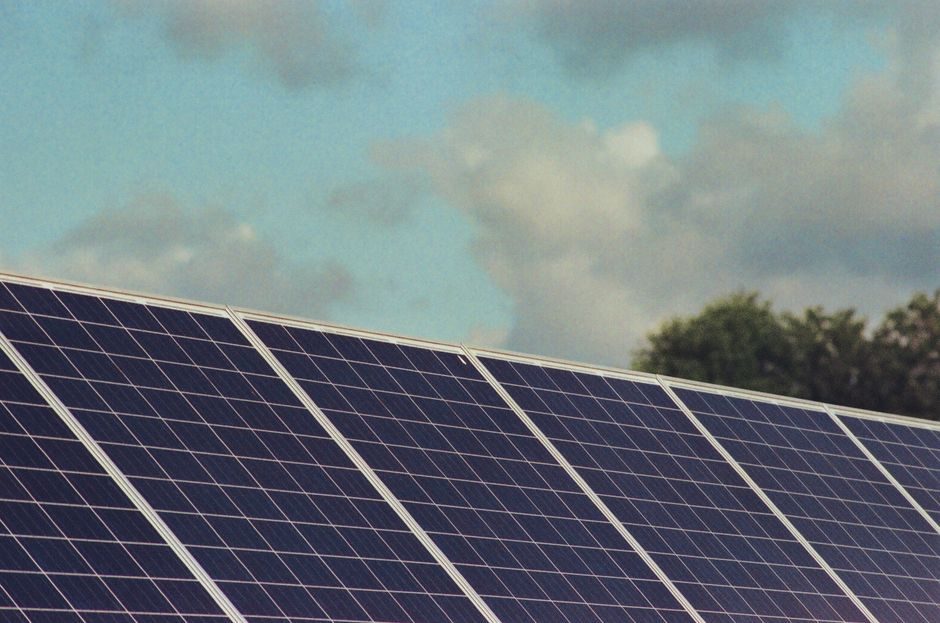
Renewable generation is not always constant, but that does not mean it cannot support a dependable electricity system. Solar output falls at night and can be reduced by cloud; wind varies with weather. Grid operators balance these shifts using a mix of generators, interconnection, flexible demand, storage and forecasts.
Storage can move electricity across time, but it is not a source of energy and cannot solve every supply gap by itself. Batteries can respond quickly and serve shorter balancing needs, while other storage approaches may suit longer periods. The right mix depends on the grid, available resources, costs and the duration of the challenge.
For companies explaining renewable technologies to a wider audience, Seo Services can support the work of making useful information easier to discover. That communication should distinguish an installed system's maximum capacity from the electricity it actually produces over time. Clear explanations help customers understand why output changes and how the wider system manages those changes.
Separate grid from supply
Buying renewable electricity does not usually mean that particular electrons travel directly from a named wind farm to a customer's socket. Electricity from many generators enters a connected network, where supply and demand must stay balanced. A contract can support renewable generation through defined purchasing arrangements, but the physical grid still carries a shared mix.
A certificate or contractual claim should be understood according to the rules that apply where the customer lives. Ask what generation the claim represents, how it is tracked and whether the same environmental attribute is being claimed more than once. These details matter when comparing green tariffs, power purchase agreements and direct ownership.
Another common misconception is that a renewable project has no environmental footprint. Manufacturing equipment, building access roads and connecting a site to the grid all use materials and land. Those impacts can be weighed against the emissions avoided during operation, while siting choices and responsible supply chains can reduce avoidable harm.
Practical choices for projects and providers
Set clear project goals
Start by defining what a renewable project must do: cut grid purchases, supply a site, lower emissions or provide power during interruptions. Those goals lead to different designs. A building seeking lower daytime bills may consider rooftop solar, while a facility needing steadier supply may need a broader plan involving efficiency, storage and grid services.
- Define the project's main purpose.
- Collect site and electricity-use information.
- Request proposals with stated assumptions.
- Check grid, maintenance and performance responsibilities.
Businesses serving customers in particular places may use Local Seo Services to keep their profiles and location details accurate. For energy projects, the equivalent practical discipline is to make technical claims specific: identify the site, expected operating conditions, grid connection and limits. Clear information helps customers and community members assess a proposal without confusing an estimate with a guarantee.
Before requesting proposals, gather electricity bills, interval-use data if available, roof or site plans and details of existing electrical equipment. Ask providers to state assumptions about future use, export limits, maintenance and connection work. A proposal based on measured conditions is easier to compare than one built around a generic system size.
Check providers and contracts
Ask a provider to explain how the system will connect, who handles permissions and what happens if the network operator requires changes. Confirm which components are included and who will maintain them. A credible proposal should distinguish expected performance from guaranteed terms, and identify the conditions that could affect either.
Review the contract for ownership, warranties, monitoring access and responsibility for repairs. For a power purchase agreement, check how the price is set, what happens when the site uses less or more power than expected and how either party can end the arrangement. Independent technical or legal advice can help with complex commitments.
Check references for projects of a similar type and setting, rather than relying only on a provider's general claims. Ask how performance is reported and whether customers can access operating data. For a community or business project, also plan how nearby people will receive updates and raise concerns as construction and operation proceed.
What a renewable-powered future requires
Build a stronger system
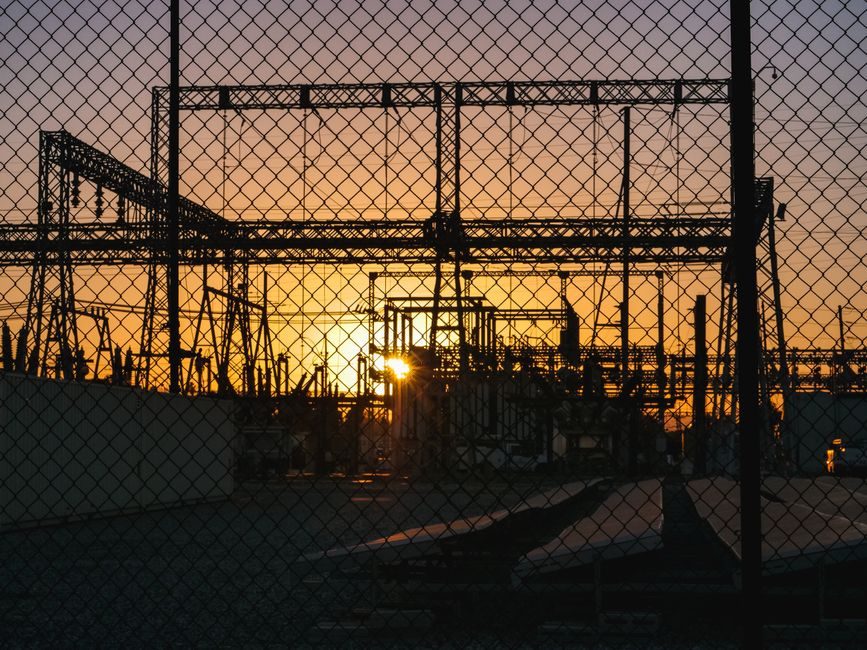
A renewable-powered electricity system needs more than new generators: it also needs transmission lines, distribution upgrades and connections that can move power from resource-rich areas to users. Planning these networks takes time and coordination. Delays can leave clean generation waiting for access even when a project is ready to produce electricity.
Grid operators also need better ways to balance supply and demand as generation changes. Forecasting, storage, flexible industrial use and managed charging can help shift demand toward periods of abundant renewable power. These tools work best when rules and markets reward flexibility without compromising reliability or making essential electricity unaffordable.
A diverse mix of renewable sources can reduce dependence on any single weather pattern or location. Interconnected regions may share power when conditions differ, while demand management can ease pressure during tight periods. These measures complement dependable system planning; they do not remove the need to maintain equipment, prepare for disruption and coordinate across the grid.
Plan for fair transitions
The shift to renewable power also depends on people and institutions. Permitting, construction and operations require skilled workers, while communities hosting infrastructure need clear information about land use, noise, traffic and local benefits. Early engagement gives residents a chance to identify concerns before plans become difficult to change.
Electricity access and affordability should remain part of the transition's design. Investment decisions can affect bills, jobs and land rights differently across regions, so policy needs to consider who pays and who benefits. Retraining and support for workers affected by changes in energy supply can help communities adapt as older facilities close or change role.
Governments, grid operators, businesses and households each influence the pace of change. Clear rules can speed responsible connections, while transparent reporting helps show whether projects deliver what they promise. For readers, a practical next step is to follow local grid and planning decisions, then ask whether proposed generation is matched by infrastructure and public accountability.
Frequently asked questions
Does renewable electricity work when the sun is not shining?Yes. Solar panels produce less or no electricity at night, but the grid balances supply from different generators and can draw on stored power, imports and flexible demand. A household with solar may use grid electricity after sunset unless it has suitable storage. The system's reliability comes from coordinating multiple resources, rather than expecting one renewable technology to supply power continuously.
Can a home run entirely on renewable energy?It can be possible, but the design depends on the home's electricity use, local conditions and whether it remains connected to the grid. Solar panels paired with storage can cover some periods without grid power, while extended low-generation conditions may require more capacity or another backup source. A qualified assessment should account for seasonal demand, safety requirements and the consequences of an outage.
What is the difference between renewable energy and clean energy?Renewable energy comes from sources replenished naturally, such as sunlight, wind and flowing water. Clean energy is a broader term often used for energy with low or no operational emissions, though definitions vary by policy or program. The terms are not interchangeable in every context, so check how a supplier or government defines them when comparing claims.
Why can renewable projects face delays after construction?A completed generator may still need approval, testing or a grid connection before it can deliver electricity. Network capacity, required upgrades, permitting and equipment availability can all affect the timeline. This is why project plans should identify connection responsibilities early and distinguish construction progress from the point when power can actually enter the grid.
Turning renewable resources into dependable power
Renewable electricity begins with local resources, but useful power depends on much more than the generator. Equipment converts sunlight, wind or moving water into electricity; networks carry it to users, while storage, flexible demand and coordinated grid operations help manage changing output. Comparing projects means looking at site conditions, connection needs, environmental effects and the obligations set out in contracts, not just a technology's name.
For a practical next step, review your own electricity use and identify whether your priority is lower grid consumption, a reliable supply or support for new generation. Then gather site information and ask providers for proposals that explain assumptions, connection work, maintenance and performance limits. For larger plans, check local grid capacity and involve affected communities early, so the project can deliver power responsibly.
Add Climate as a preferred source on Google


