
Sustainable Agriculture: Practices That Protect Soil and Water
Explore practical sustainable agriculture examples, from crop rotation and efficient irrigation to biodiversity-friendly pest control and farm-level planning.

Sustainable agriculture examples include rotating crops, planting cover crops, using drip irrigation, keeping soil covered, and supporting beneficial insects. These practices can protect soil and water while helping farms remain productive. The right combination depends on local conditions, available labor and equipment, and the farm’s goals, so begin with a specific problem and assess results over time.
The practices work best as a connected system. Ground cover can reduce erosion and help retain moisture, while diverse rotations can interrupt pest cycles and improve soil structure. Better water management and habitat for natural predators may also reduce pressure on crops, but each change needs to fit the farm’s climate, soils, and production schedule.
Farmers can start with a manageable trial rather than changing every field at once. Record what is planted, when inputs are applied, how much water is used, and what happens to yields and operating costs. Comparing those observations with an untreated or unchanged area can help determine whether a practice is worth expanding.
- Use cover crops and rotations to protect soil and interrupt recurring pest cycles.
- Match irrigation to soil moisture, rainfall, and crop growth stage.
- Support beneficial species with suitable habitat, while continuing to scout crops.
- Trial changes on a manageable area and track environmental and farm-level results.
What Sustainable Agriculture Means in Practice
Balance Production and Resources
Sustainable agriculture aims to produce food while maintaining the natural resources farms depend on. In practice, that means caring for soil, using water thoughtfully, and limiting avoidable harm to wildlife and surrounding habitats. It also means considering whether a practice is workable for the people, equipment, and finances available on the farm.
- Protecting soil and water supports continued farm production.
- Practices work best when they reinforce one another.
- Choose changes that fit local conditions and farm resources.
A farm might combine a rotation of different crops with cover crops between cash crops, then adjust irrigation to match soil moisture and crop needs. These choices can reinforce one another: healthier soil may absorb rainfall more effectively, while diverse crops can reduce reliance on a single pest-control strategy. Results vary with local weather, soil type, and management.
Sustainability is not a fixed checklist that every farm must follow in the same way. A dryland grower may focus on conserving moisture, while a farm on sloping ground may prioritize erosion control. Start by identifying the main pressure on the farm, then select a practice that addresses it without creating a larger burden elsewhere.
Set Goals and Track Results
Set a clear goal before adopting a new practice, such as reducing bare soil during winter or improving water infiltration in a field. A specific aim helps determine what to measure and when to review the change. Without a baseline, it can be difficult to tell whether an outcome reflects the practice or changing weather.
Keep records that are practical to maintain, including planting dates, field operations, input use, irrigation decisions, and visible crop or soil changes. Notes on labor and equipment needs matter too, because a practice that improves soil but cannot fit the farm’s schedule may not be sustainable for that operation. Compare similar fields or seasons where possible.
Small trials let growers learn before committing across a whole farm. Leave a comparison strip under existing management, and inspect both areas after rain, during crop growth, and at harvest. Share observations with an adviser or neighboring growers, while keeping in mind that their soil and weather may differ from yours.
- Name the problem the practice should address.
- Record current field conditions and management.
- Trial the change on a manageable area.
- Review both environmental and farm-level results.
Build Healthy Soil With Cover Crops and Crop Rotation
Keep Living Roots in Soil
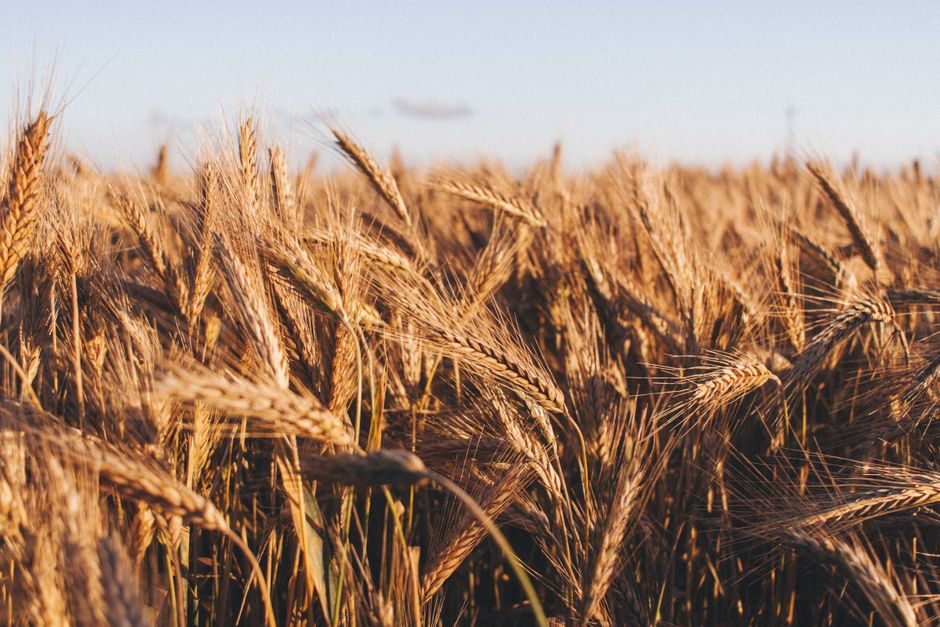
Cover crops protect soil during periods when a field would otherwise be bare. Grasses, legumes, and other suitable species can shield the surface from wind and heavy rain, while their roots help hold soil in place. Choose a mix or single species suited to the planting window, climate, and next cash crop.
- Identify the bare-soil period to address.
- Choose a cover crop suited to local conditions.
- Plan termination around the next crop’s needs.
- Check soil moisture before planting the cash crop.
A cover crop can also add organic matter when it is terminated and left as residue, though the result depends on biomass, soil conditions, and management. Some legumes can contribute nitrogen, but growers should account for the species, growth, and timing rather than assuming a fixed benefit. Check local guidance before selecting seed or termination methods.
Plan termination early enough to protect the following crop’s planting window and water supply. A vigorous cover crop may use moisture that a later crop needs, especially in dry conditions. Observe field moisture and forecast conditions, and adjust planting or termination decisions to avoid turning a soil-protection measure into a crop-establishment problem.
Rotate Crops With Purpose
Crop rotation changes which plants grow in a field over successive seasons, helping avoid repeated demands on the same soil resources. Alternating crop families can also disrupt pest and disease cycles that build up when a host crop returns frequently. The useful rotation depends on which crops the farm can grow and market.
A practical plan might alternate a cereal with a legume or another crop family, while considering planting dates, rooting depth, residue, and nutrient needs. Avoid treating rotation as a simple sequence on paper: machinery, labor, storage, and market access all affect whether the plan can be carried out. Farm advisers looking to share field-tested guidance may consider guest posting services uk as one route to publication.
Keep records of crop families and recurring field problems so the rotation responds to actual patterns. If a disease persists in residue or a pest has a broad host range, changing crops alone may not control it. Combine rotation with scouting and other appropriate measures, and seek local advice when choosing crops for unfamiliar soils or conditions.
Manage Water With Efficient Irrigation and Ground Cover
Match Irrigation to Crop Need
Efficient irrigation delivers water where and when crops can use it, rather than applying it on a fixed schedule regardless of conditions. Drip systems can direct water near plant roots, while well-managed sprinklers can suit crops or field layouts where drip is impractical. A conservation group coordinating outreach across partners may find white label link building useful for managing that work under its own brand.
- ☐ Check soil moisture before irrigating.
- ☐ Match application timing to crop growth stage.
- ☐ Inspect lines, emitters, and sprinkler coverage.
- ☐ Record rainfall and irrigation decisions.
Check soil moisture at more than one point in a field because texture, slope, and rooting depth can change how quickly soil dries. Combine those checks with crop growth stage and recent rainfall before deciding whether to irrigate. A schedule based only on the calendar can overwater some areas while leaving others short of moisture.
Inspect irrigation equipment for leaks, clogged emitters, uneven pressure, and overspray, since faults can waste water and create uneven crop growth. Where water is limited, prioritize the most sensitive growth stages and follow local rules for withdrawals. Keep a record of irrigation decisions so the farm can compare methods and adjust them in later seasons.
| Option | Useful when | Check before adopting |
|---|---|---|
| Drip irrigation | Watering near crop roots suits the field | Inspect emitters and pressure |
| Sprinkler irrigation | Field layout suits overhead application | Check coverage and overspray |
| Cover crops | Soil needs protection between crops | Plan termination and water use |
| Crop residue | Soil needs surface protection | Check planting and pest effects |
Protect Soil Surface Moisture
Ground cover slows the impact of rainfall and reduces direct exposure to sun and wind, helping limit erosion and evaporation. Cover crops, retained crop residue, and suitable mulches are options, but the right choice depends on the crop and field operations. Avoid removing protective residue simply for appearance if it is helping keep soil in place.
Residue can improve water infiltration by softening raindrop impact and reducing surface crusting, although heavy residue may complicate planting or harbor some pests. Check how planting equipment handles the material and whether it affects seed placement. Adjust residue management to preserve soil protection without compromising crop establishment.
On sloped fields, maintain cover along vulnerable areas and consider how water moves during intense rain. Ditches, field edges, and drainage routes need attention so that runoff does not carry soil or nutrients into waterways. Compare areas with different cover after rainfall, and use those observations to target erosion controls where they are most needed.
- Retain suitable crop residue on vulnerable soil.
- Use cover crops during bare-soil periods.
- Check planting equipment compatibility with residue.
- Inspect runoff routes after heavy rain.
Field margins, flowering strips, and hedgerows can provide food and shelter for insects and other wildlife, including some natural enemies of crop pests.
Choose Pest Controls That Support Biodiversity
Make Space for Beneficial Species
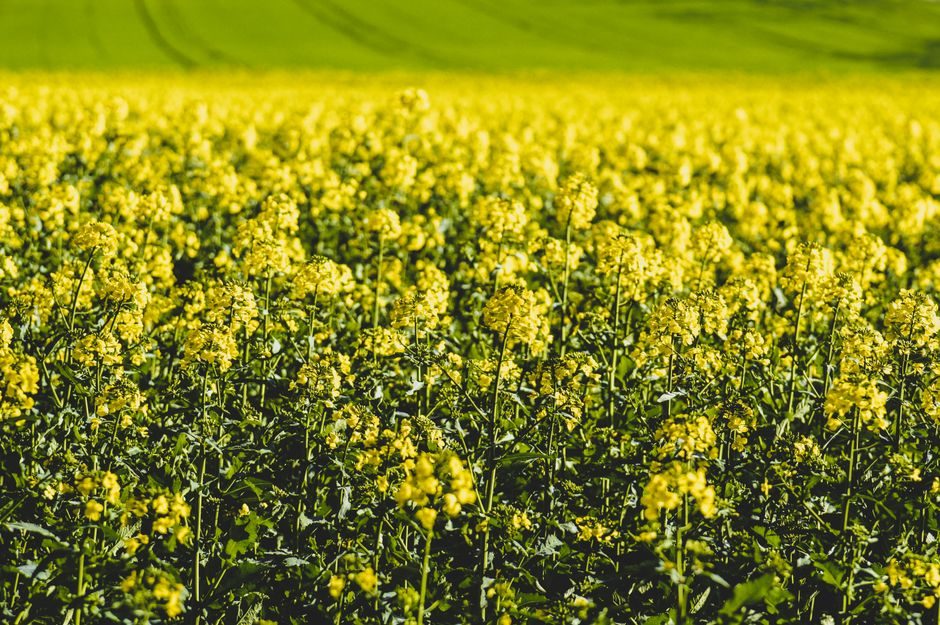
Field margins, flowering strips, and hedgerows can provide food and shelter for insects and other wildlife, including some natural enemies of crop pests. Choose plants that suit local conditions and avoid species that could become invasive. Place habitat where it will not obstruct machinery, drainage, or access to fields.
- Planting unsuitable species; choose locally appropriate plants.
- Assuming habitat alone will control pests; continue scouting crops.
- Spraying without considering drift; protect nearby non-target areas.
A diverse farm habitat does not guarantee that pest damage will fall, so pair planting with regular crop scouting. Identify the pest and note where and when it appears before deciding on a response. This helps distinguish a growing problem from the presence of a few insects that may not threaten the crop.
Reduce unnecessary disturbance around established habitat and avoid spraying it when treatments are needed in nearby fields. Follow product labels and local requirements, and consider timing and drift so applications do not harm non-target species. Monitor both crop damage and beneficial insects, then adjust habitat and pest decisions based on what is actually happening.
Use Integrated Pest Management
Integrated pest management combines prevention, monitoring, and targeted responses instead of relying on routine treatment alone. Start by identifying the crop and pest accurately, then assess whether damage is increasing and whether intervention is needed. A threshold or local advisory can help guide that decision where one is available.
Prevention may include rotating crop families, choosing suitable varieties, managing crop residue, and timing planting to reduce pest pressure. These measures work differently for different pests, so use local scouting information rather than assuming a single practice will solve every problem. Keep notes on pest locations and crop conditions to improve future decisions.
If treatment is necessary, choose an option that addresses the identified pest while limiting harm to beneficial organisms and nearby habitats. Follow label directions, use protective equipment, and avoid applications when weather could carry spray off target. After treatment, check whether pest pressure changed and record the result before repeating the same approach.
- Identify the pest before choosing a response.
- Scout crops and record where damage appears.
- Use prevention measures suited to the pest.
- Review treatment results before applying again.
Compare Farming Options to Fit Your Land and Goals
Match Practices to Local Conditions
Choose practices according to the farm’s soil, rainfall, slope, crops, and available labor rather than copying a package designed elsewhere. A cover crop that protects a bare field may compete for scarce moisture in a dry region, while contour planting can slow runoff on a hillside. Local extension advisers and neighboring growers can help identify which conditions matter most.
Compare options by the problem each one addresses and the resources it requires. Reduced tillage may limit soil disturbance, but it can call for different equipment and weed management; agroforestry can provide shade and habitat, yet takes time and careful placement. For agricultural groups sharing research or program updates, cheap press release distribution can help reach news outlets.
Treat a practice as a choice to test, not a universal prescription. A grower with compacted soil might begin by checking drainage and root growth before deciding whether to change tillage, add deep-rooted cover crops, or both. For every option, ask what outcome to watch, what could go wrong, and whether the farm can sustain the added work.
- Map soil types and slopes.
- Check seasonal water availability.
- List equipment and labor needs.
- Set one measurable goal.
Balance Benefits and Trade-Offs
A useful comparison includes environmental gains and the demands placed on farm operations. For instance, planting flowering field margins may offer food and shelter for beneficial insects, but it also removes land from production and needs management. Estimate the area involved, the labor calendar, and the likely effect on yields before committing.
Some practices complement each other, while others compete for time, machinery, or water. Crop rotation can disrupt pest cycles and spread workload across seasons, but a rotation only works if suitable crops have a market and fit the farm’s equipment. Discuss these practical constraints with buyers, advisers, and the people who will carry out the work.
Keep the decision tied to farm priorities rather than a label such as sustainable. One operation may put erosion control first, while another needs to restore soil organic matter or reduce irrigation demand. Write down which outcomes matter most, then compare practices against the same priorities so their costs and benefits remain visible.
Share Practical Lessons With Other Growers
Make Field Knowledge Useful
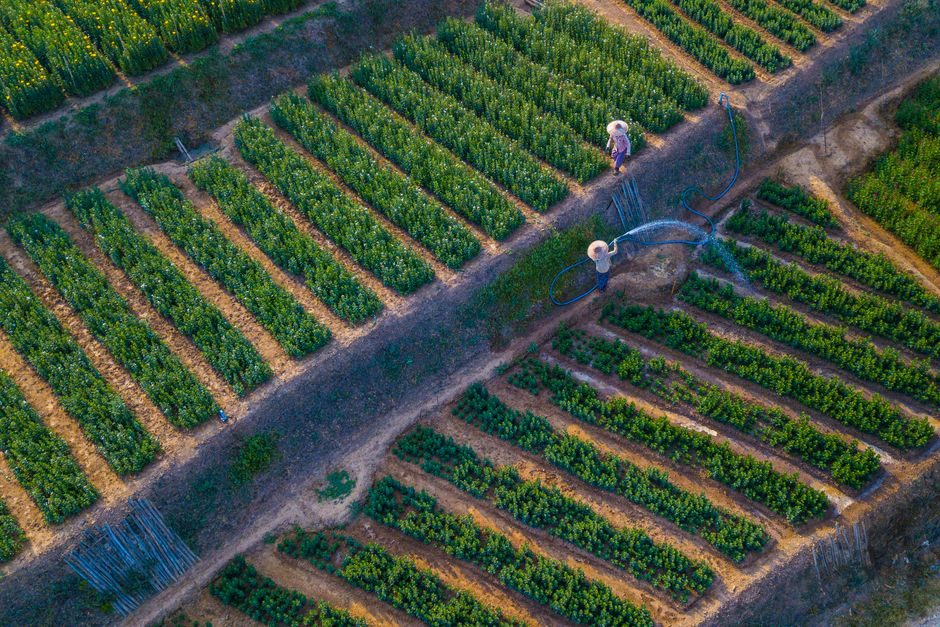
Share the conditions behind a result, not only the practice that seemed to work. Note the crop, soil type, timing, weather, equipment, and any changes made during the season so another grower can judge whether the lesson applies. A guest post marketplace may help a grower group find relevant outlets when explaining a field project to a wider audience.
A short field note can be more useful than a polished success story if it records both the intended result and what actually happened. Include a clear description of the comparison, such as a trial strip beside a field managed as usual. Explain limits too, including unusual weather or a change in labor that shaped the outcome.
Choose a format that suits the audience and the decision they face. A demonstration day can show how equipment handles residue, while a simple written guide can help growers revisit planting dates later. Ask participants what remains unclear, then add those answers to the material instead of assuming one event covered every practical question.
- Describe the site and crop.
- Record timing and management.
- Include setbacks and adjustments.
- Invite specific follow-up questions.
Build Trust Through Peer Learning
Grower-to-grower learning works best when participants can discuss uncertainty without pressure to present a perfect result. A host can invite questions about cost, labor, and failed attempts alongside visible benefits. This helps visitors assess whether a practice fits their own constraints and makes the exchange more useful than a one-way presentation.
Rotate who leads discussions so knowledge does not flow only from larger or better-resourced farms. Smaller operations may have practical insights about low-cost adjustments, while advisers can clarify technical details and point to further support. Agree on what information may be shared publicly, especially when farm records or commercially sensitive decisions come up.
Follow up after the visit with a concise record of the questions raised and any actions agreed. Participants might arrange a later check-in after harvest or compare observations across different soils. If organizations want to communicate verified farm outcomes more widely, resources that help them buy sponsored posts can support that outreach without replacing transparent evidence.
Measure Results Before Expanding a New Practice
Set a Clear Starting Point
Record the field’s starting condition before changing management, or later comparisons may be hard to interpret. Depending on the goal, note soil cover, erosion signs, infiltration, irrigation use, crop performance, or the presence of beneficial insects. Organizations sharing verified farm outcomes may use resources that help them buy sponsored posts, while keeping the underlying evidence accessible.
Choose indicators that match the practice and can be collected consistently. A grower testing reduced tillage might track fuel use, soil cover, weed pressure, and crop establishment rather than relying on a single measure. Use the same observation points and method each time, and record when measurements were taken and who collected them.
Keep the first trial manageable and compare it with a similar area under existing management when possible. The comparison helps separate the effect of the new practice from seasonal shifts affecting the whole farm. Mark the boundaries clearly, avoid changing several treatments at once, and note any differences in slope, soil, or drainage that could affect results.
- Define the outcome to test.
- Record current field conditions.
- Use consistent observation methods.
- Note weather and management changes.
Review Evidence Across Seasons
Assess results across more than one growing cycle when the practice’s effects take time to develop. Soil structure, pest pressure, and crop response can vary with weather, so a single harvest rarely tells the whole story. Compare the same indicators each season and note whether the practice’s benefits persist under different conditions.
Look at operational and environmental outcomes together before deciding to expand. A change that improves ground cover but delays planting may require revised equipment plans, while reduced irrigation demand may matter most during dry periods. Include labor, input use, and crop quality in the review so a promising environmental result does not obscure a practical bottleneck.
Decide in advance what evidence would justify continuing, adapting, or stopping the trial. The threshold need not be a complicated calculation; it can be a clear set of conditions agreed by the farm team. If results are mixed, change one element at a time and extend observation rather than declaring success or failure too soon.
Avoid Common Barriers to Lasting Change
Plan for Costs and Capacity
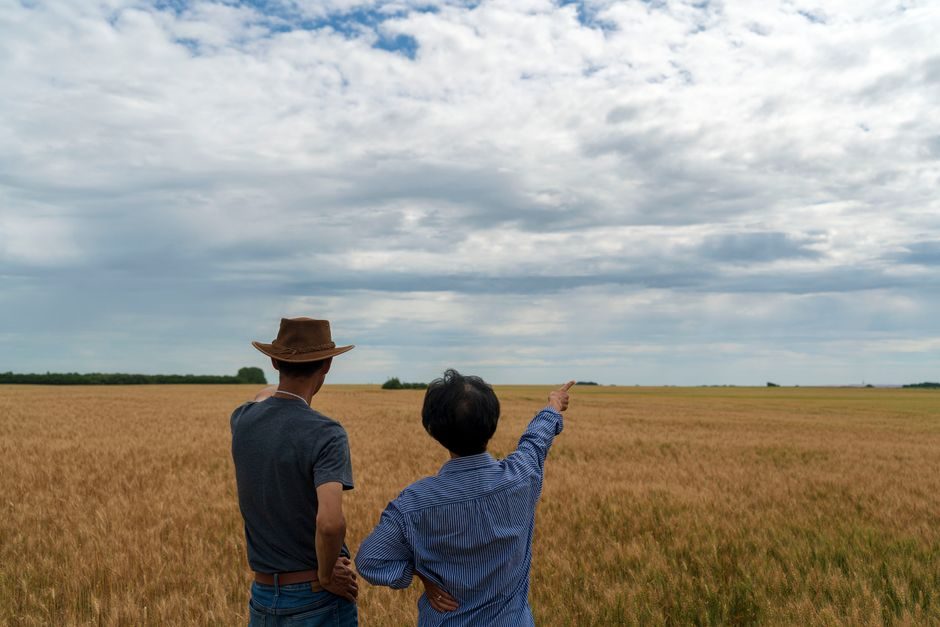
A practice is more likely to last when its labor, equipment, and cash demands are planned before adoption. A new cover crop may need seed, a suitable planting window, and a way to terminate it; changing irrigation can require maintenance skills and scheduling adjustments. Teams helping farmers find trusted information can consult an seo agency directory when they need specialist support to make those resources easier to discover.
Check whether the farm can manage the transition during its busiest periods. If a practice adds work at planting or harvest, identify who will do it and what other tasks may be delayed. Where equipment is a barrier, ask whether sharing, hiring, or adapting existing machinery is feasible before making a large commitment.
Account for the time between initial investment and visible benefits. Some soil improvements accumulate gradually, while immediate costs such as seed or labor must still be covered. Discuss cash flow with an adviser, check whether local programs offer support, and avoid relying on projected gains that have not been tested on comparable fields.
- Estimate labor by season.
- Check equipment availability.
- Plan transition-period cash flow.
- Identify a source of technical help.
Keep Improvements Adaptable
Build flexibility into the plan so an unexpected season does not force an all-or-nothing decision. A grower might trial a practice on selected fields, retain alternative equipment access, or set conditions for pausing it if water or labor becomes scarce. This protects essential operations while allowing learning to continue.
Make responsibilities clear among farm owners, workers, advisers, and suppliers. Explain why the practice is being tested, what changes people should expect, and how to report problems early. When those doing the work understand the goal, they can spot issues such as poor crop establishment or blocked drainage before small setbacks become costly.
Review the plan regularly and revise it when evidence or circumstances change. A technique suited to one rotation may need adjustment when markets, rainfall, or available labor shift. Keep records of what was changed and why, then share the lessons with the team so future decisions build on experience rather than starting from memory.
Frequently asked questions
Can a small farm use sustainable agriculture practices?Yes. Many practices can be tested on a limited area before a farm commits more land or resources. A small operation might begin with a cover crop on one field, a field margin, or a change to irrigation scheduling. The best starting point is a specific farm problem, plus a practice that fits available labor, equipment, water, and the growing calendar.
How long does it take to see results from soil practices?Some changes, such as more soil cover after planting a cover crop, are visible within a season. Other outcomes, including improved soil structure or more stable yields, may take longer and vary with weather and management. Record a baseline and use the same indicators over successive seasons so short-term variation does not get mistaken for a lasting trend.
What should farmers measure when testing a new practice?Measure outcomes that connect directly to the reason for trying the practice. For erosion control, note ground cover and signs of soil movement; for water management, track irrigation use and crop condition. Also record labor, input use, and operational difficulties. A consistent method and a comparable field area make the results more useful than collecting many disconnected observations.
Where can growers get help choosing suitable practices?Local agricultural extension services, conservation advisers, producer groups, and experienced neighboring growers can help assess options against local soil and climate conditions. Demonstration farms may show how practices work with real equipment and schedules. Ask advisers to explain both expected benefits and limitations, and verify that recommendations fit the farm’s crops, labor capacity, and available water.
Make the Next Farm Decision Evidence-Led
Sustainable agriculture is a set of connected choices: protect soil, use water carefully, support beneficial species, and make sure practices fit the farm’s resources. The most useful examples are not copied as fixed recipes. They are adapted to local conditions, shared with enough context to help other growers, and assessed for environmental as well as operational results.
Choose one problem that matters on your farm, write down the conditions you are starting from, and test a suitable practice on a manageable area. Decide what you will measure and when you will review it, including labor and costs as well as field outcomes. That clear first trial gives you evidence to improve the approach or expand it with confidence.
Add Climate as a preferred source on Google


