
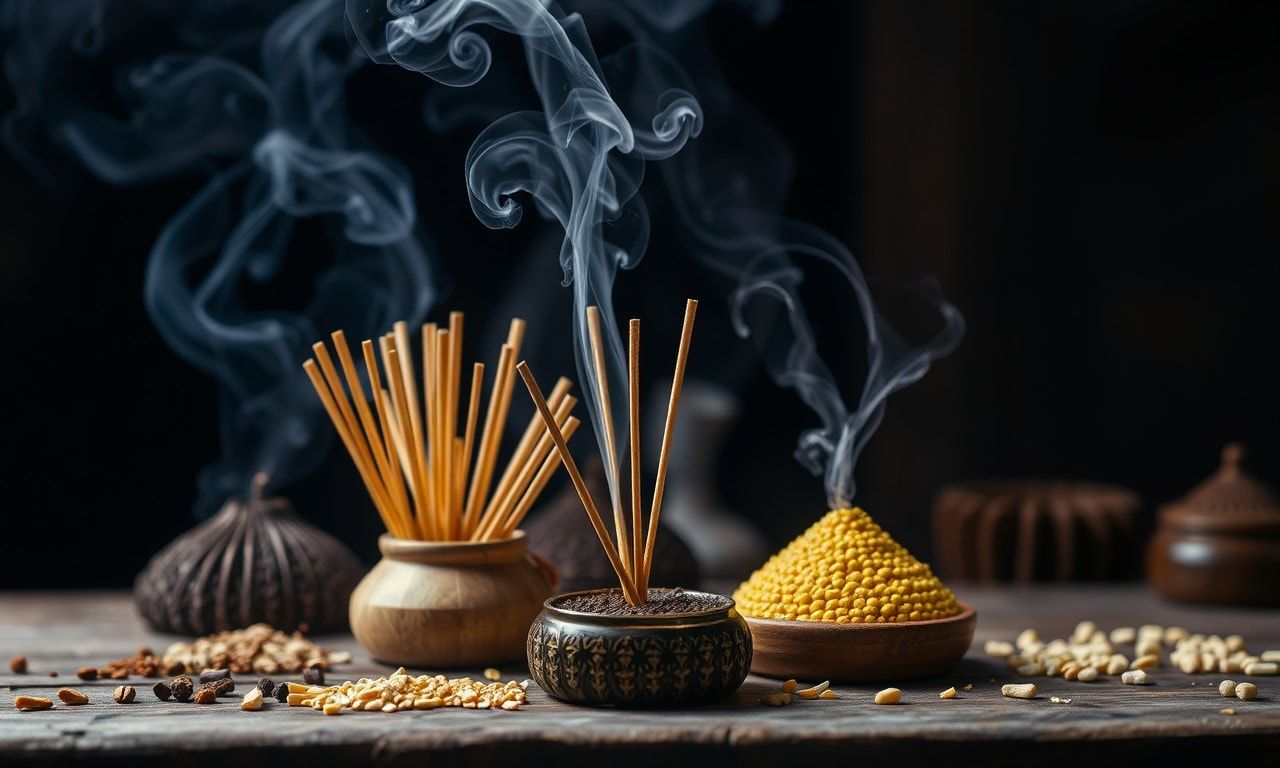
The Timeless Allure of Incense
Incense, a fragrant substance that has been used for centuries in various cultures, continues to captivate the modern world. From ancient religious rituals to contemporary wellness practices, the global incense trade is a thriving industry that bridges tradition and modernity. This article delves into the intricate world of incense, exploring its historical significance, cultural diversity, and the modern market dynamics that drive its popularity.
The Historical Significance of Incense
The use of incense dates back to ancient civilizations, including Egypt, Mesopotamia, and India. Historically, incense was used in religious ceremonies, medicinal practices, and as a form of currency. The Egyptians, for instance, burned incense as offerings to their gods and used it in the mummification process. In India, incense played a crucial role in Hindu and Buddhist rituals, symbolizing purity and spiritual enlightenment.
The Silk Road, an ancient network of trade routes, facilitated the exchange of incense and its raw materials between the East and the West. This trade not only spread the use of incense but also fostered cultural exchange and economic growth. The aromatic resins, such as frankincense and myrrh, were highly valued and often associated with wealth and power.
The Cultural Diversity of Incense
Incense holds different meanings and uses across various cultures. In Japan, incense is an integral part of the tea ceremony, where it is used to purify the mind and enhance the sensory experience. In the Middle East, incense like bakhoor is commonly used in homes and mosques to create a pleasant atmosphere and ward off negative energies. In Western cultures, incense is often associated with meditation, yoga, and aromatherapy.
The diversity in incense types and usage reflects the rich tapestry of global cultures. From the delicate joss sticks of China to the resin-based incense of the Middle East, each type of incense carries its unique aroma and cultural significance. This diversity is a testament to the universal appeal of incense and its ability to transcend cultural boundaries.
The Modern Incense Market
The global incense market is experiencing a resurgence, driven by the growing interest in wellness and spiritual practices. According to market research, the incense market is projected to reach new heights in the coming years, with a significant increase in demand for natural and organic products. The rise of e-commerce has also played a pivotal role in expanding the reach of incense products to a global audience.
Consumers today are increasingly conscious of the ingredients and sourcing of their incense. There is a growing preference for natural, chemical-free incense that is ethically sourced and environmentally sustainable. This shift in consumer behavior has led to the emergence of new brands and products that cater to the demand for high-quality, natural incense.
Buying Incense: Tips and Considerations
When purchasing incense, it is essential to consider several factors to ensure you get a high-quality product. Look for incense made from natural ingredients and free from synthetic fragrances and chemicals. Additionally, consider the type of incense that suits your needs, whether it is for meditation, relaxation, or enhancing your living space. If you’re looking to buy incense online, it’s crucial to research and choose a reliable supplier. For those interested in buying incense, resources like buhurdan satın alma öncesi dikkat edilecekler 2026 provide valuable insights and tips to make an informed decision.
Another important aspect to consider is the packaging and storage of incense. Proper packaging ensures that the incense remains fresh and retains its aroma. It is also advisable to store incense in a cool, dry place away from direct sunlight to maintain its quality.
The Future of the Incense Trade
The future of the incense trade looks promising, with a growing emphasis on sustainability and ethical practices. As consumers become more aware of the environmental impact of their purchases, there is a rising demand for eco-friendly incense products. This trend is driving innovation in the industry, with companies exploring new ways to source and produce incense in a sustainable manner.
The integration of technology in the incense trade is also transforming the way incense is produced, marketed, and consumed. From online marketplaces to social media platforms, technology is playing a crucial role in connecting incense producers with consumers worldwide. This digital transformation is making it easier for consumers to access a wide variety of incense products and learn about their benefits.
Conclusion
Incense, with its rich history and cultural significance, continues to be a valuable commodity in the modern world. The global incense trade is a testament to the enduring appeal of this ancient practice, blending tradition with contemporary wellness trends. As the market evolves, the focus on sustainability, ethical sourcing, and consumer education will shape the future of the incense trade. Whether for spiritual, medicinal, or aesthetic purposes, incense remains a cherished part of human culture and commerce.
For a deeper understanding of this topic, Menjalankan Keuangan Pribadi dengan Bijak: Panduan offers valuable insights worth exploring.