
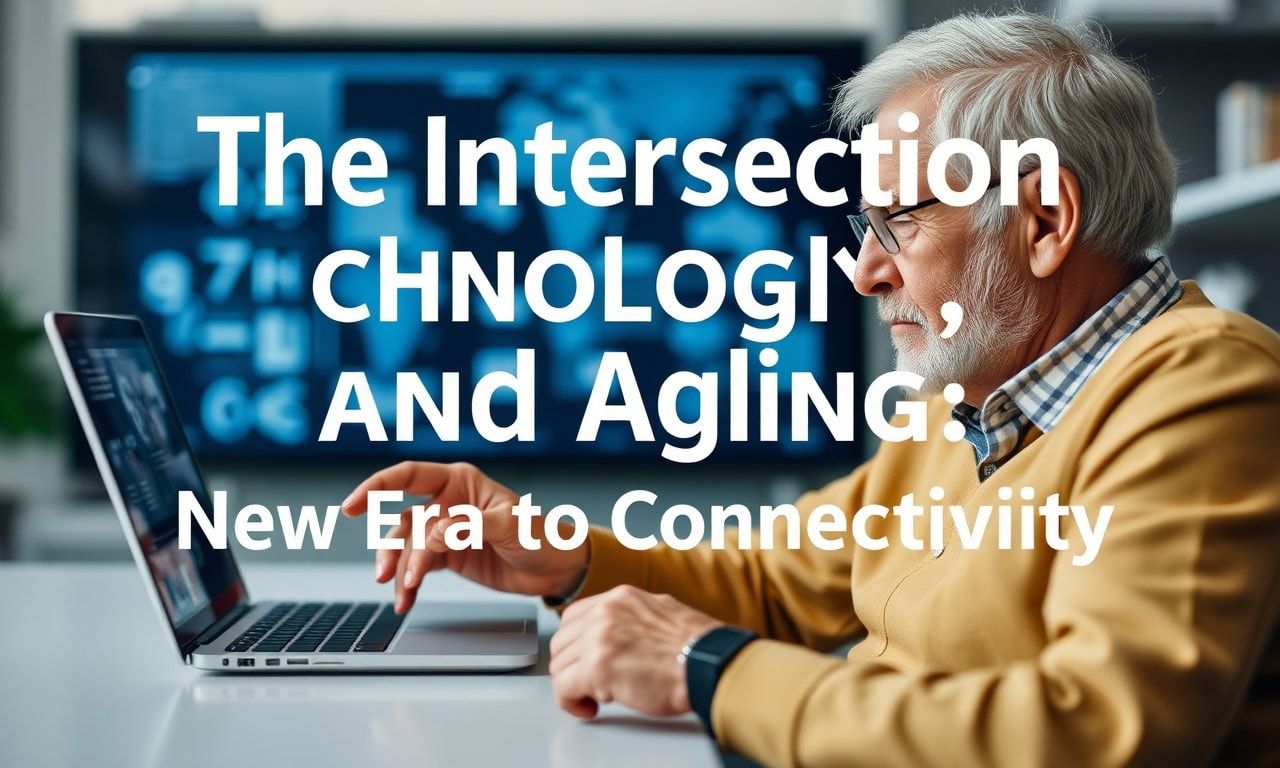
The Digital Divide and the Senior Population
The digital divide, a term that refers to the gap between those who have access to technology and those who do not, has been a significant topic of discussion in recent years. This divide is particularly pronounced among the senior population, who often face barriers to technology adoption due to factors such as cost, accessibility, and a lack of digital literacy. However, as technology continues to evolve, there is a growing recognition of the importance of bridging this divide to ensure that seniors can fully participate in the digital age.
The Role of Technology in Enhancing Senior Living
Technology has the potential to greatly enhance the quality of life for seniors. From health monitoring devices to smart home systems, technology can help seniors maintain their independence and stay connected with loved ones. For instance, wearable health monitors can track vital signs and alert caregivers to any potential health issues. Similarly, smart home systems can automate tasks such as turning on lights or adjusting the thermostat, making daily life more manageable for seniors.
Moreover, technology can also play a crucial role in combating social isolation among seniors. With the rise of video calling and social media platforms, seniors can easily connect with family and friends, regardless of distance. This is particularly important given the social isolation that many seniors experience, which can have serious health implications. According to a study published in the Journal of the American Geriatrics Society, social isolation is associated with a higher risk of mortality, heart disease, and mental health issues among seniors.
The Importance of Accessible Design
However, for technology to be truly beneficial to seniors, it must be designed with their needs in mind. This means creating devices that are easy to use, with large buttons, clear displays, and intuitive interfaces. It also means ensuring that technology is affordable and accessible to all seniors, regardless of their income level. In this context, it’s worth exploring resources like best tech gadgets for seniors, which can provide guidance on selecting the most suitable and user-friendly devices.
Policy and Initiative Efforts to Bridge the Digital Divide
Recognizing the importance of bridging the digital divide among seniors, various initiatives and policies have been implemented. For example, the U.S. Federal Communications Commission’s Lifeline program provides discounted phone and internet services to low-income individuals, including seniors. Similarly, many non-profit organizations offer digital literacy programs to help seniors gain the skills they need to use technology effectively.
In addition to these efforts, there is a growing recognition of the need for more comprehensive policies to address the digital divide among seniors. This includes investing in infrastructure to ensure that all communities have access to high-speed internet, as well as providing funding for digital literacy programs and accessible technology design. Furthermore, there is a need for more research to understand the unique challenges that seniors face in adopting technology and to develop targeted solutions to address these challenges.
The Future of Technology and Aging
As technology continues to evolve, there is great potential for further enhancing the lives of seniors. For instance, advancements in artificial intelligence (AI) and machine learning (ML) could lead to the development of more sophisticated health monitoring systems and personalized care plans. Similarly, the rise of the Internet of Things (IoT) could enable the creation of smart homes that are fully tailored to the needs of seniors, further enhancing their independence and quality of life.
However, realizing this potential will require a concerted effort from policymakers, technology companies, and community organizations. It will also require a commitment to ensuring that technology is designed with the needs of seniors in mind and that all seniors have access to the resources they need to fully participate in the digital age. By working together, we can ensure that technology serves as a force for good in the lives of seniors, enhancing their independence, connectivity, and overall well-being.
As technology continues to reshape our world, exploring the new era of connectivity offers a comprehensive look at its impact on global events.
In the realm of sports journalism, a new article delves into technology’s impact on performance, offering readers a fresh perspective on current trends.
As technology continues to shape our daily lives, understanding the challenges it presents is crucial; explore how software issues impact workflows in this insightful piece.