
Title: Crisis in Chile’s Copper Heartland: Surge in Children with Autism Alarms Doctors
In the bustling waiting room of Dr. Iván Silva’s medical center in Calama, Chile, a sense of quiet desperation hangs heavy in the air. Parents like Nadia Saavedra and Claudio anxiously watch as their three-year-old son Pablo undergoes his routine physiotherapy session. But behind their stoic facades lies a world of shattered dreams and unspoken fears.
Pablo, diagnosed with severe autism at just a year old, represents a growing number of children grappling with neurodevelopmental disorders in the heart of Chile’s copper mining region of Antofagasta. As Dr. Silva, a veteran pediatrician, observes, the incidence of autism cases has skyrocketed in recent years, with a concerning shift towards more severe forms of the condition.
The Alarming Trend
Dr. Silva, a respected figure in the medical community and regional director of the Chilean Medical Association, paints a grim picture of the situation. What was once a rare occurrence of one or two autism cases a month has now escalated to a daily influx of young patients grappling with profound developmental challenges. Alongside autism, genetic disorders, respiratory ailments, and skin issues are also on the rise among the region’s children, pointing to a broader health crisis that demands urgent attention.
The Suspected Culprit: Copper Mining
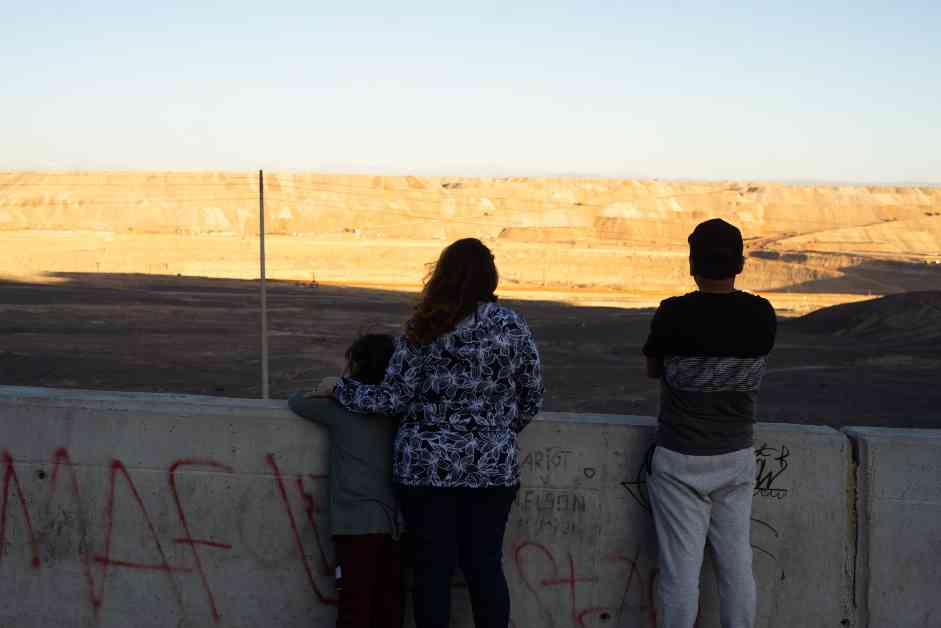
The seasoned pediatrician, along with a cohort of concerned medical professionals, points to a likely culprit behind this troubling health trend: the sprawling open-pit copper mines that define the landscape of northern Chile. As the world’s leading producer of copper, Chile’s mining activities have long been intertwined with its economic prosperity. However, the hidden costs of this lucrative industry are now coming to light in the form of escalating health issues among vulnerable populations.
Call for Action
Despite mounting evidence linking environmental factors, such as mining-related pollution, to the rise in neurodevelopmental disorders, efforts to investigate this pressing issue have been stymied by a lack of resources and institutional support. Dr. Silva laments the dearth of research institutes, universities, and medical professionals dedicated to studying the impact of mining activities on local communities, particularly pregnant women and children.
In the face of bureaucratic inertia and scientific apathy, the question looms large: How many more children like Pablo will fall through the widening cracks of a system ill-equipped to safeguard their health and well-being? As concerned citizens, it falls upon us to demand accountability, transparency, and concrete action to address this children’s health crisis before it spirals out of control.