**Wealthiest 1% Exhausted World’s Carbon Budget in Just 10 Days**
In a stunning revelation that highlights the stark inequality in carbon emissions, a new analysis by Oxfam Great Britain has found that the wealthiest 1% of individuals in the world have already depleted their annual share of the global carbon budget within the first 10 days of the year 2025. This alarming trend underscores the disproportionate impact that the ultra-rich have on the environment and raises urgent questions about the need for climate action.
**The Carbon Budget Crisis**
The concept of an annual carbon budget refers to the maximum amount of carbon emissions per person that can be released into the atmosphere while still adhering to the target of limiting global warming to 1.5 degrees Celsius above pre-industrial levels. For the wealthiest 1%, which includes 77 million individuals comprising billionaires and millionaires, their excessive carbon footprint far exceeds what is sustainable for the planet.
**Lavish Lifestyles and Environmental Consequences**
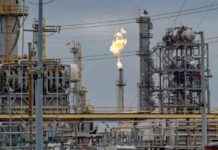
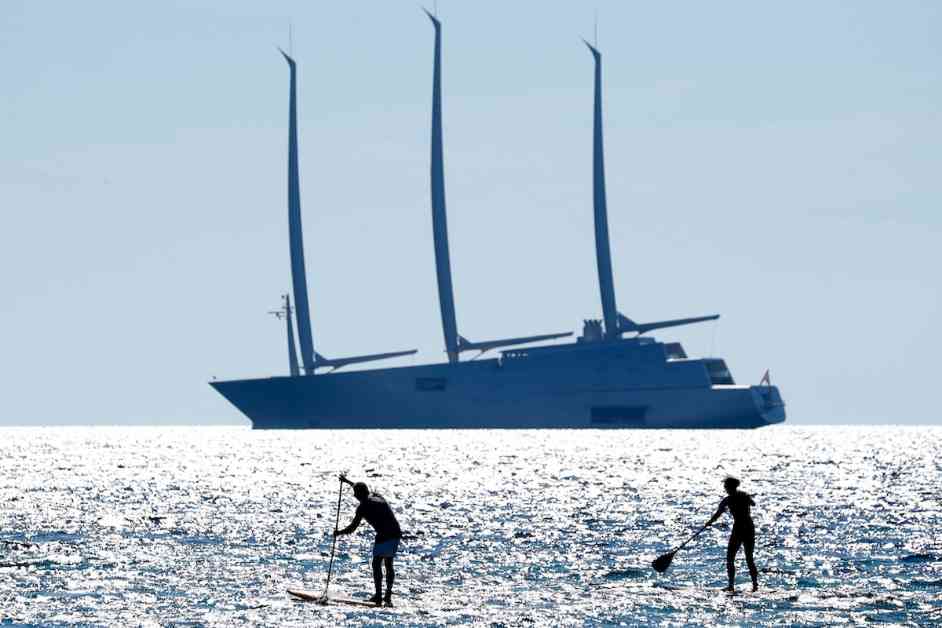
Chiara Liguori, a senior climate justice policy advisor for Oxfam GB, expressed grave concern over the reckless behavior of the super-rich, stating that their extravagant lifestyles and polluting investments are jeopardizing the future of our planet. As the elite continue to indulge in luxury private jets, super-yachts, and other high-emission activities, they are not only depleting the carbon budget at an alarming rate but also failing to contribute meaningfully to society.
**Urgent Calls for Action**
In order to mitigate the catastrophic effects of climate change and limit global warming to 1.5 degrees Celsius, the wealthiest 1% must drastically reduce their emissions by 97% before 2030. However, current trends indicate that this group is only on track to achieve a meager 5% reduction, highlighting the urgent need for systemic change and accountability among the super-rich.
**The Human Impact of Climate Inequality**
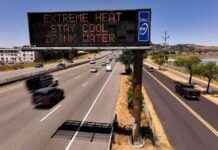
While the wealthiest individuals have the means to shield themselves from the worst impacts of climate change through amenities like air conditioning and climate-resilient housing, marginalized communities around the world are bearing the brunt of environmental degradation. The disparity in emissions between the top 1% and the bottom 50% underscores the need for equitable solutions that prioritize environmental justice and sustainability for all.
As we confront the harsh reality of climate inequality, it is imperative that governments and global leaders take decisive action to address the root causes of environmental degradation and ensure a more sustainable future for all. By holding the ultra-rich accountable for their carbon footprint and implementing fair and effective policies to combat climate change, we can build a more equitable and resilient world for generations to come.