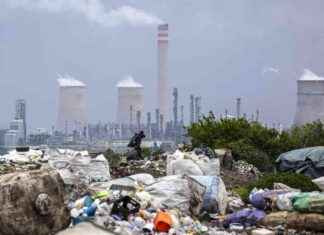
The Changing Face of Global Weather Patterns

The world is witnessing a series of unprecedented climate shifts that are redefining weather patterns across the globe. From extreme heatwaves to intense storms, the frequency and severity of these events are on the rise. Scientists and meteorologists are working tirelessly to understand these changes and predict future trends. For those in the UK, staying informed about the weather forecast for the UK today has become more critical than ever.

The Science Behind the Shifts

Climate change is the primary driver behind these shifts. The increase in global temperatures, largely due to human activities, is altering atmospheric conditions. This results in more extreme weather events, such as hurricanes, droughts, and floods. According to recent studies, the Earth’s average temperature has risen by about 1°C over the past century. This might seem like a small number, but it has significant implications for weather patterns.

Key Factors Influencing Weather Patterns

Several factors contribute to these changes:

  1. Greenhouse Gas Emissions: The burning of fossil fuels releases greenhouse gases, which trap heat in the atmosphere.
  2. Deforestation: The loss of forests reduces the planet’s ability to absorb CO2, exacerbating the greenhouse effect.
  3. Ocean Currents: Changes in ocean temperatures and currents can alter weather systems, leading to unpredictable weather.
  4. Urbanization: The growth of cities creates urban heat islands, which can influence local weather patterns.

Impact on Daily Life

The changes in weather patterns have a profound impact on daily life. Agriculture, for instance, is highly susceptible to weather conditions. Farmers rely on predictable weather to plan their planting and harvesting schedules. Unpredictable weather can lead to crop failures, food shortages, and economic losses. Similarly, infrastructure and public health are also affected. Extreme weather events can damage buildings, roads, and other infrastructure, while heatwaves and floods can lead to health issues.

Adapting to the New Normal

As the climate continues to change, societies must adapt. This includes investing in resilient infrastructure, improving early warning systems for extreme weather events, and developing sustainable agricultural practices. Governments and international organizations are also working on policies to mitigate the effects of climate change. For instance, the Paris Agreement aims to limit global warming to well below 2°C above pre-industrial levels.

Looking Ahead

The future of global weather patterns is uncertain, but the trend towards more extreme events is clear. Scientists continue to research and develop new technologies to better predict and manage these changes. Public awareness and action are also crucial. Individuals can contribute by reducing their carbon footprint, supporting sustainable practices, and staying informed about weather forecasts and climate news.

Staying Informed

In the UK, staying updated with the weather forecast for the UK today is essential for planning daily activities and preparing for potential weather-related disruptions. Reliable sources of weather information, such as the Met Office, provide accurate forecasts and warnings. Being informed can help individuals and communities make better decisions and stay safe during extreme weather events.

Conclusion

The world is experiencing significant changes in weather patterns due to climate change. Understanding these shifts and their impacts is crucial for adapting to the new normal. By staying informed, supporting sustainable practices, and advocating for climate action, individuals and societies can mitigate the effects of climate change and build a more resilient future.